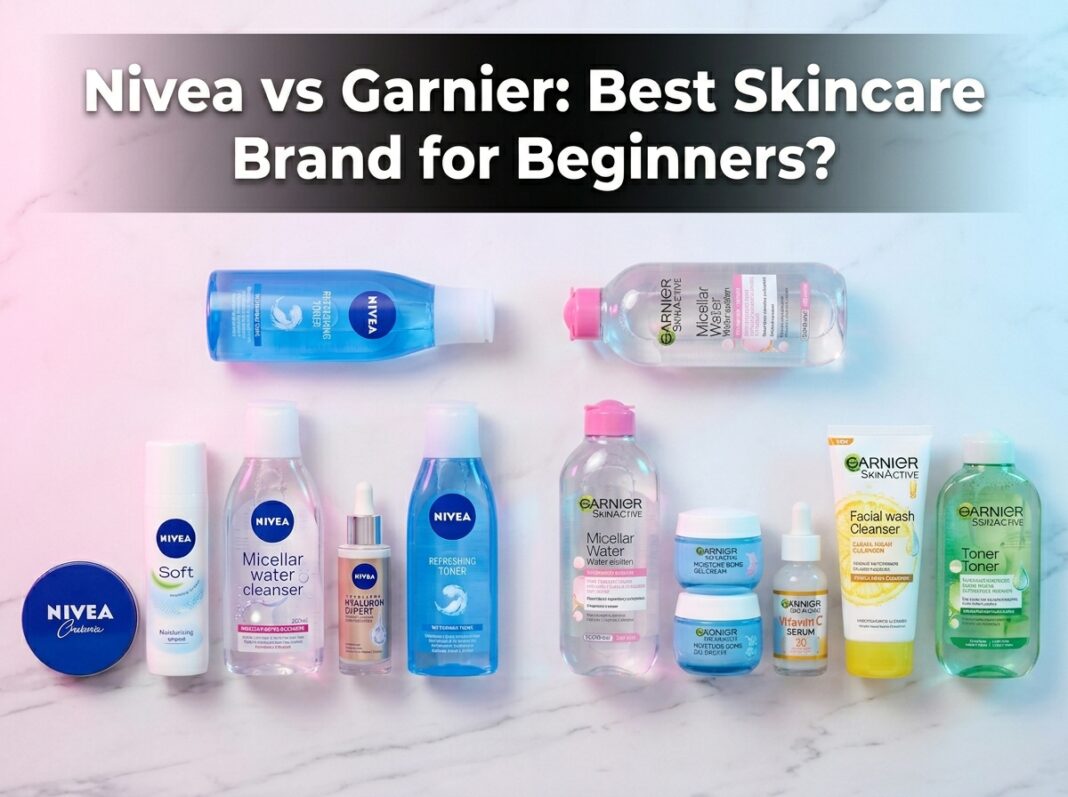
I’m a Skincare Beginner. Is Nivea a Good Starting Brand Compared to Garnier?
You finally decided to start taking care of your skin. That’s a great move.
But the moment you walk into a drugstore — or open a browser to search — it hits you. Hundreds of products. Dozens of brands. You don’t have any idea where to start.
Most beginners end up narrowing it down to two names they recognize: Nivea and Garnier. Both are affordable, popular, and you can easily find them everywhere.
But which one is actually right for you?
That’s exactly what this guide is for. I’m going to explain both brands step by step. By the end, you’ll know exactly which one matches your skin type, your budget, and your goals. No guesswork and no confusion will remain after reading this blog post.
Let’s get into it.
Why Your First Skincare Brand Actually Matters
Some people think any brand will have similar effects. But that’s not quite true.
Your skin isn’t used to new products. When you introduce too many harsh ingredients at once, your skin can react badly. Breakouts, redness, dryness will appear. That’s frustrating, and it makes a lot of beginners quit before they even get started.
A good beginner brand should be:
- Gentle: Low risk of irritation, even for sensitive skin
- Simple: Straightforward products that do one or two things well
- Affordable: So you can experiment without spending too much
- Easy to find: Available at your local drugstore, supermarket, or online
Both Nivea and Garnier meet most of these points. But they do it in different ways — knowing these differences will help you choose the best one for your skin.
Nivea: The Brand That’s Been Moisturizing Skin Since 1911
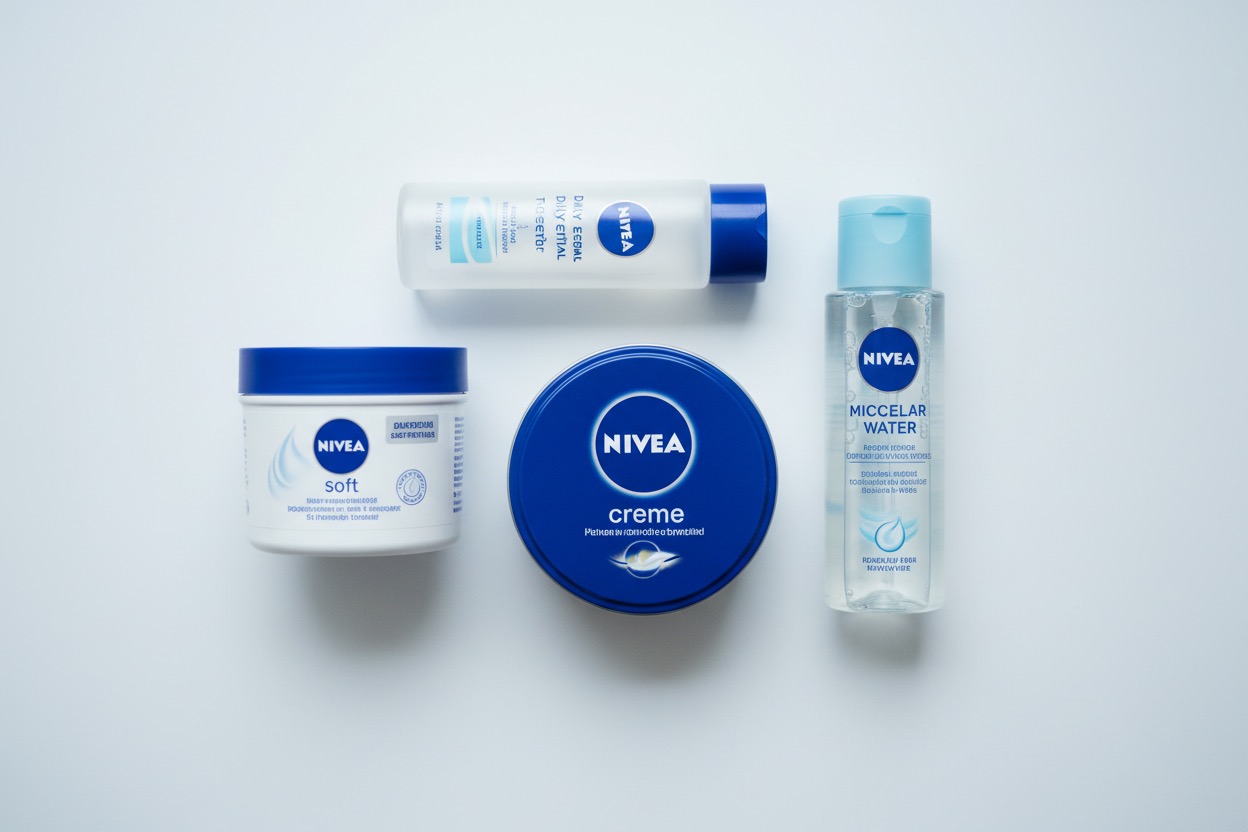
Nivea is one of the oldest skincare brands in the world. It started in 1911 in Germany with just one product: the famous blue tin cream. Over 100 years later, this cream remains one of the top-selling moisturizers worldwide.
Today, Nivea is owned by Beiersdorf, a German company known for skin research. They focus on simple, gentle, and effective formulas for everyday use.
Nivea stands out for:
- Simple ingredient lists that are easy to understand
- Products built around everyday moisture and skin protection
- Strong compatibility with sensitive and dry skin types
- Consistently affordable pricing at every major retailer
Which Skin Types Benefit Most From Nivea?
Nivea is strongest for:
- Dry skin: Their rich creams and lotions are excellent at locking in long-term moisture
- Sensitive skin: Many products are fragrance-free and dermatologically tested
- Normal skin: Everyday options like Nivea Soft work perfectly as a light daily moisturizer
If your skin is oily or acne-prone, Nivea can still be a good choice. Look for their light, gel-based products instead of heavy creams.
Nivea’s Best Products for Beginners
| Product | Why Beginners Love It |
|---|---|
| Nivea Soft Moisturizing Cream | Light, refreshing — works on both face and body |
| Nivea Crème (Blue Tin) | Iconic rich cream — perfect for very dry or rough skin |
| Nivea Micellar Water | Gentle makeup remover and daily cleanser in one |
| Nivea Daily Essentials Toner | Balances skin after cleansing, no irritation |
| Nivea Sensitive Moisturizer | Lightweight, fragrance-free — ideal for reactive skin |
Garnier: Nature-Inspired Skincare With Active Results
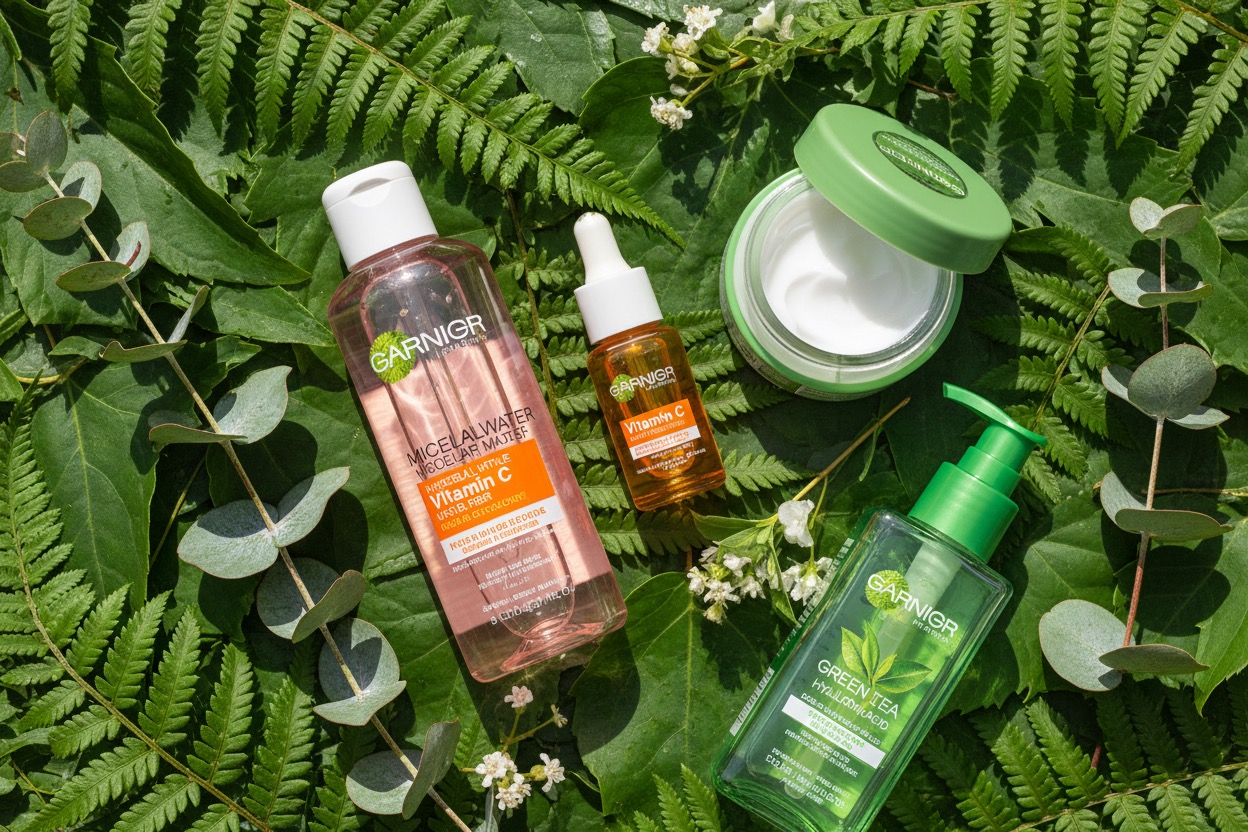
Garnier has been around since 1904, making it older than Nivea. Today, it is owned by L’Oréal, a leading beauty company worldwide.
Garnier uses a different method than Nivea. While Nivea focuses on basic daily moisture, Garnier uses natural ingredients like fruit extracts, plant extracts, and popular skincare ingredients like vitamin C and hyaluronic acid.
Garnier is known for:
- A wide product range targeting specific skin concerns
- Active ingredients backed by science and nature
- A strong commitment to sustainability through their Green Beauty initiative
- Products that can scale with you as your routine grows
Which Skin Types Benefit Most From Garnier?
Garnier’s wider range makes it more versatile across skin types:
- Oily and combination skin: Their oil-control cleansers and lightweight gel moisturizers work great here
- Normal skin: Plenty of hydrating everyday options in the SkinActive range
- Skin with specific concerns: Garnier shines when you want to tackle dullness, uneven tone, or early signs of aging
If you want brighter skin, fewer dark spots, or better hydration, Garnier’s products help you create a simple routine to reach your goal.
Also Read: I Have Sensitive Skin. How Gentle Are NIVEA’s Creams Compared to Aveeno?
Garnier’s Best Products for Beginners
| Product | Why Beginners Love It |
|---|---|
| Garnier Micellar Cleansing Water | Gentle cult-favorite cleanser — removes makeup in seconds |
| Garnier Vitamin C Serum | Brightens dull skin and fades dark spots over time |
| Garnier Moisture Bomb Moisturizer | Lightweight daily hydration for normal to dry skin |
| Garnier Pure Active Matcha Cleanser | Controls oil and unclogs pores for oily skin |
| Garnier Green Labs Hyaluronic Serum | Deep, plumping hydration with hyaluronic acid |
Nivea vs. Garnier: A Full Side-by-Side Comparison
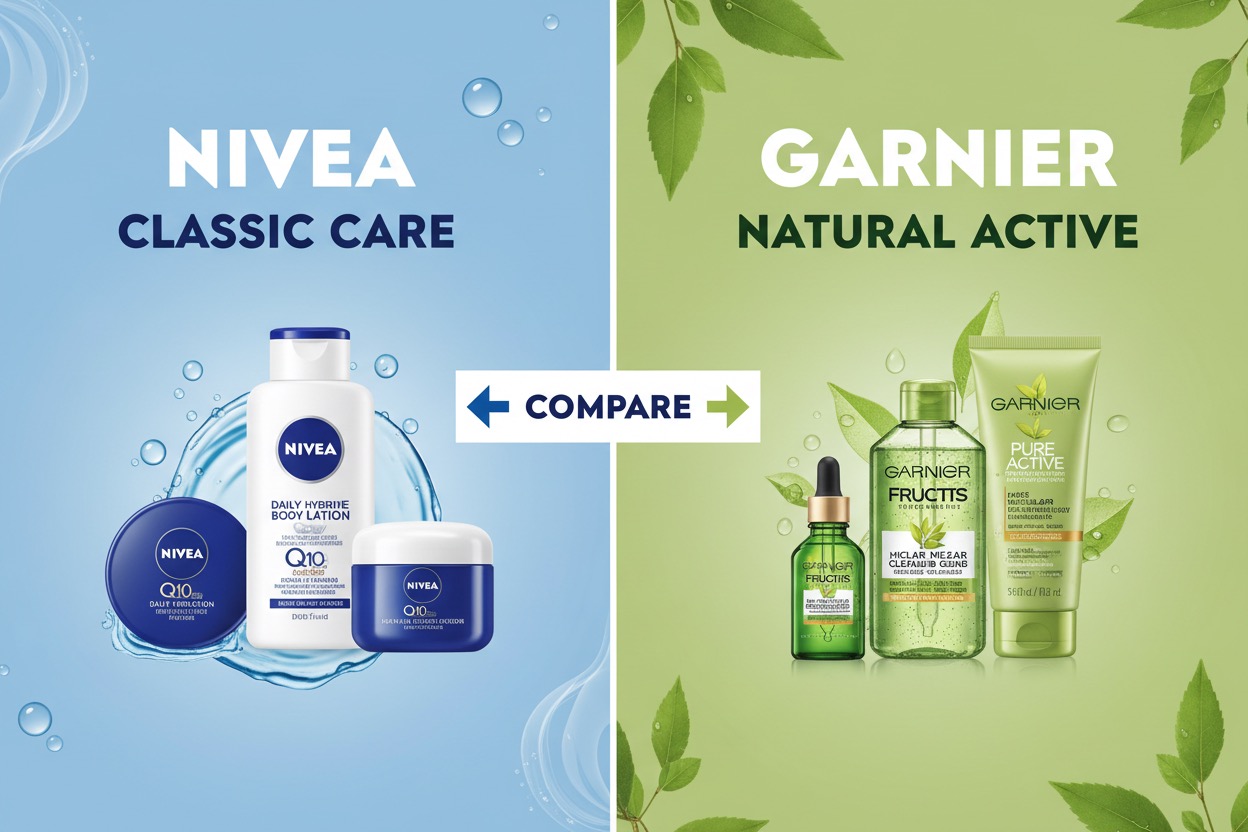
Here’s how the two brands stack up on everything that matters to you as a beginner.
| Feature | Nivea | Garnier |
|---|---|---|
| Best Skin Type | Dry and sensitive skin | Oily, combination, or specific concerns |
| Product Range | Focused — moderate selection | Wide — something for almost every need |
| Key Ingredients | Glycerin, Panthenol, Vitamin E, Eucerit | Vitamin C, Hyaluronic Acid, Niacinamide, Green Tea |
| Ingredient Strength | Mild and gentle | Moderate — some stronger actives |
| Price Range | $3–$12 per product | $5–$20 per product |
| Fragrance-Free Options | Yes — many products | Fewer — some products are fragranced |
| Availability | Everywhere — drugstores, supermarkets, online | Everywhere — same wide availability |
| Beginner Friendliness | Excellent — very simple and safe | Excellent — more flexibility for specific goals |
| Grows With Your Routine? | Less so — focused lineup | Yes — more products to explore as you learn |
| Sustainability | Beiersdorf’s Care Beyond Skin program | Garnier Green Beauty initiative — very visible |
What’s Actually in These Products? An Ingredient Deep Dive
You don’t have to be a chemist to understand skincare ingredients. But knowing a few basics can help you choose the right product for your skin and avoid ones that might cause problems.
Nivea’s Core Ingredients Explained
Nivea products are built on a short, well-researched ingredient list. Here’s what you’ll find most often:
- Glycerin: A humectant that draws moisture into your skin. Gentle, effective, and found in almost every good moisturizer. Research shows it significantly improves skin hydration without irritation.
- Panthenol (Vitamin B5): Soothes, softens, and repairs skin. Common in Nivea’s sensitive and after-sun lines.
- Vitamin E (Tocopherol): An antioxidant that protects your skin from daily environmental damage like pollution and UV exposure.
- Eucerit: Nivea’s original patented ingredient from 1911. It helps water and oil bind in your skin — the secret behind their famous cream’s staying power.
For a simple guide to common skincare ingredients and their uses, the American Academy of Dermatology offers a clear overview.
Garnier’s Core Ingredients Explained
Garnier uses popular active ingredients that focus on specific skin problems. Here are the key ingredients in their bestsellers:
- Vitamin C (Ascorbic Acid): Brightens dull skin, fades dark spots, and boosts collagen production. Studies confirm it’s one of the most effective topical antioxidants available.
- Hyaluronic Acid: Holds up to 1,000 times its weight in water. Excellent for plumping skin and reducing the look of dehydration lines.
- Niacinamide (Vitamin B3): Reduces pore size, evens skin tone, and controls oil production. One of the most versatile ingredients in modern skincare.
- Green Tea Extract: A powerful plant antioxidant. Used in cleansers and toners to fight free radical damage and soothe the skin.
- Salicylic Acid: Found in Garnier’s acne-focused range. Exfoliates inside pores and reduces breakouts for oily and acne-prone skin.
For more information on what these ingredients do, check out Healthline’s skincare ingredient guide, a great free resource.
Building Your First Skincare Routine: Step-by-Step With Both Brands
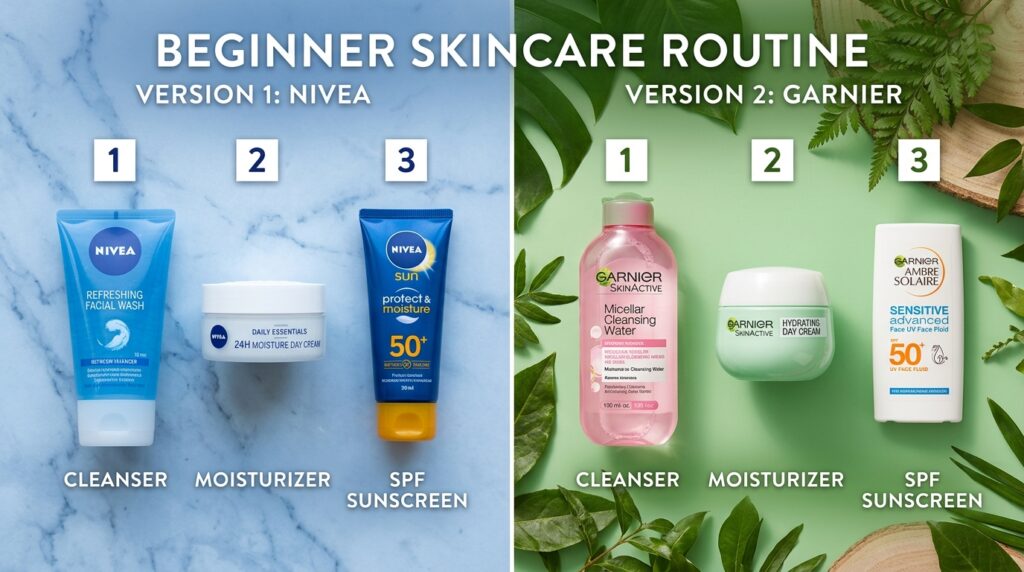
Here’s the most important thing I can tell you about starting a skincare routine:
Keep it simple.
You don’t need 10 steps, 5 serums, or a $200 budget. You need three things done consistently: Cleanse → Moisturize → Protect (SPF). That’s it.
The American Academy of Dermatology suggests beginners use a simple 3-step routine and add new products slowly, one by one.
Simple Beginner Routine Using Nivea
- Morning — Step 1 — Cleanse: Nivea Micellar Water or Nivea Daily Essentials Gentle Cleanser
- Morning — Step 2 — Moisturize: Nivea Soft Cream (normal/oily skin) or Nivea Crème Blue Tin (dry skin)
- Morning — Step 3 — SPF: Nivea Sun Protect Moisturizer SPF 30 — or any SPF 30+ sunscreen you like
- Evening — Repeat steps 1 & 2: Skip the SPF at night. That’s your full evening routine.
Cost for this routine? Under $20. Time needed? About 3 minutes morning and night.
Simple Beginner Routine Using Garnier
- Morning — Step 1 — Cleanse: Garnier Micellar Cleansing Water
- Morning — Step 2 — Serum (optional): Garnier Vitamin C Serum — only if you want to target brightness or dark spots
- Morning — Step 3 — Moisturize: Garnier Moisture Bomb or Green Labs Serum Cream
- Morning — Step 4 — SPF: Any SPF 30+ sunscreen — Garnier has options in their range
- Evening — Cleanse + Moisturize: Same cleanser, swap Vitamin C for a gentle overnight cream if desired
The Garnier routine is easy to adjust. You can begin with 3 steps and add the serum later when you want to expand your routine.
According to Healthline, beginners should build their routine step by step. Start with a few products and add one more every few weeks.
Honest Pros and Cons: What You Need to Know Before You Buy
Nivea — The Good and the Not-So-Good
| Pros | Cons |
|---|---|
| ✅ Extremely gentle — very low irritation risk | ❌ Fewer targeted treatment products |
| ✅ Ideal for dry and sensitive skin | ❌ Heavier creams can feel greasy on oily skin |
| ✅ Very affordable — most products under $12 | ❌ Fewer trendy actives like Vitamin C or niacinamide |
| ✅ Simple ingredient lists — easy to understand | ❌ Smaller overall product range |
| ✅ Over 100 years of proven skin safety | ❌ Some products do contain fragrance |
Garnier — The Good and the Not-So-Good
| Pros | Cons |
|---|---|
| ✅ Wide range for different skin types and concerns | ❌ Some products contain fragrance — risk for sensitive skin |
| ✅ Active ingredients deliver visible results | ❌ Slightly pricier than Nivea on average |
| ✅ Strong for oily and combination skin | ❌ More product choices can overwhelm total beginners |
| ✅ Garnier Micellar Water is a drugstore legend | ❌ Actives like Vitamin C take 6–8 weeks to show results |
| ✅ Strong sustainability credentials | ❌ Some actives may be too strong for very reactive skin |
Expert Tips for Skincare Beginners — What Dermatologists Actually Recommend
Good skincare is not just about the brand you choose. It depends on how you use the products. Here are simple tips from skin experts for beginners and how they relate to choosing between Nivea and Garnier.
Tip 1: Know Your Skin Type Before You Buy Anything
According to the American Academy of Dermatology (AAD), there are five main skin types: normal, dry, oily, combination, and sensitive. Knowing your skin type helps you choose the right products.
The simplest test: wash your face, dry it gently, and wait 30 minutes. If your skin feels tight and looks flaky, you have dry skin. If it looks shiny everywhere, you have oily skin. If some parts are tight and others shiny, you have combination skin. If products often make your skin red or sting, you have sensitive skin.
Dry and sensitive skin? Nivea is a safe choice. Oily or combination skin, or if you want to focus on something specific, Garnier offers more options.
Tip 2: Always Patch Test a New Product
Dermatologists at Cleveland Clinic suggest testing new skincare products on a small skin patch first. Put a little on your inner wrist or behind your ear. Wait 24 to 48 hours. If no reaction happens, it’s usually safe to use on your face.
This is especially important for Garnier products with active ingredients like vitamin C or salicylic acid.
Tip 3: Introduce One New Product at a Time
Don’t start with all 5 steps on the first day. Add one product at a time, every 1–2 weeks. If your skin reacts, you’ll know which product caused it. This is how skincare experts build their routines.
Tip 4: Wear SPF Every Single Day — No Exceptions
The Skin Cancer Foundation recommends using SPF 30 or higher every day, whether it is rainy, sunny, indoors, or outdoors. UV rays can harm your skin even through windows and on cloudy days. Applying SPF daily is the best way to protect your skin and keep it looking young.
Both Nivea and Garnier offer moisturizers with SPF. Use these or apply a separate sunscreen.
Tip 5: Give Products Time to Work
Most skincare products need 4–6 weeks to show results. Some ingredients like vitamin C can take up to 8 weeks. According to Healthline, changing products too soon is a common beginner mistake. Stick to a routine for at least a month before deciding if it works.
Are Nivea and Garnier Good for the Environment?
More people are thinking about how their skincare affects the environment. Here’s how each brand is doing.
Nivea / Beiersdorf: Their Care Beyond Skin program focuses on climate neutrality, eco-friendly packaging, and sourcing ingredients responsibly.
Garnier: Their Green Beauty initiative is a clear effort in drugstore skincare to be eco-friendly. They aim for 100% recyclable packaging, biodegradable ingredients, and carbon-neutral production. Many Garnier products have the ECOCERT organic certification.
Both brands are improving. But if you care about eco-friendly choices, Garnier has clearer and more visible green promises right now.
So Which Brand Should You Actually Start With?
Here’s the direct answer — no fluff. Use this quick decision guide:
| Your Situation | Best Choice |
|---|---|
| You have dry or sensitive skin | Start with Nivea |
| You have oily or combination skin | Start with Garnier |
| You want the simplest possible routine | Choose Nivea — 3 products, done |
| You have a specific concern (dark spots, dullness, acne) | Choose Garnier — better targeted options |
| You’re on a very tight budget | Nivea wins slightly on price |
| You want room to grow your routine over time | Garnier has more products to explore |
| You’re worried about ingredient reactions | Nivea — simpler formulas, lower risk |
| You care about natural and sustainable ingredients | Garnier’s Green Beauty range fits this well |
And here’s one more thing most skincare guides don’t tell you:
You don’t have to pick just one.
Mixing brands in your skincare routine is totally okay. A popular beginner combo is: Garnier Micellar Water to cleanse and Nivea Soft Cream to moisturize. They are from different brands but work great together.
The main rule is: don’t use strong ingredients from both brands at the same time—like vitamin C and salicylic acid—until you know how your skin handles each one.
Frequently Asked Questions
1. I’m a skincare beginner. Is Nivea a good starting brand compared to Garnier?
Yes, Nivea is a great brand to start with, especially if your skin is dry or sensitive. It is gentle, works well, and is easy to use. Garnier is also good for beginners, especially if you have oily skin or want to focus on issues like dullness or dark spots. Choose based on your skin type and what you want to improve.
2. Is Nivea or Garnier better for sensitive skin?
Nivea is usually safer for sensitive skin. Many of their products have no fragrance and are tested for sensitive skin. If you use Garnier, choose their Sensitive or Calm range and avoid strong ingredients until your skin gets used to them.
3. Can I use Nivea and Garnier products in the same routine?
Absolutely. Mixing brands in your skincare is normal and okay. A simple starter combo: Garnier Micellar Water to clean + Nivea Soft Cream to moisturize + any SPF you like. Just don’t use many strong ingredients at once.
4. Which brand is cheaper — Nivea or Garnier?
Nivea is slightly more affordable on average. Most Nivea products are in the $3–$12 range. Garnier runs $5–$20 for most products. Both are budget-friendly compared to mid-range skincare brands. A solid beginner routine with either brand costs under $30 total.
5. How long before I see results from Nivea or Garnier products?
Moisturizers from either brand can make your skin look and feel better in 1 to 2 weeks. Products with active ingredients, like Garnier’s Vitamin C serum, usually take 6 to 8 weeks to show brightening or fading of dark spots. The important thing is to use them regularly. Try any new product for at least 4 to 6 weeks before deciding if it works.
Final Thoughts: Start Simple. Stay Consistent. Trust the Process.
Here’s what you should remember after reading this guide.
You don’t need a complex routine. You don’t need costly brands. And you don’t have to feel unsure about where to begin.
If your skin is dry or sensitive — try Nivea first. The Soft Cream is a popular starter product for a good reason. It’s gentle, moisturizing, and easy to use.
If you have oily or combination skin, or want to address issues like dull skin or dark spots, start with Garnier. Their Micellar Water is one of the best skincare products at any price, and their active ingredient range expands as you become more confident.
Not sure yet? Try this beginner starter pack that works for most people:
- Garnier Micellar Cleansing Water — gentle, effective cleanser for any skin type
- Nivea Soft Moisturizing Cream — lightweight daily moisturizer
- SPF 30+ sunscreen of your choice — every single morning without fail
Use these three products for six weeks. You’ll be surprised by what steady use can achieve.
💬 Have questions about your skin or routine? Leave a comment below — I’m here to help you find the best first step for your skin!