Key Takeaways
- Busy tourist conditions can increase risks for drivers, pedestrians, hotel guests, riders, and visitors at attractions.
- Safety and medical care should come before arguments about blame or insurance paperwork.
- Photos, witness information, receipts, reports, and medical records can be important evidence.
- Tourists should keep records of disrupted travel plans, lodging changes, missed activities, and transportation costs.
- Insurance companies may contact an injured person quickly, but a fast offer may not reflect the full impact of an injury.
- Serious injuries, disputed facts, and business accidents often warrant prompt legal advice.
Wisconsin Dells draws families, day-trippers, seasonal workers, and longtime residents to busy roads, resorts, water attractions, restaurants, trails, and entertainment venues. When a preventable injury disrupts a vacation or daily routine, speaking with a Wisconsin Dells personal injury lawyer may help clarify the options available under Wisconsin law.
Not every injury gives rise to a legal claim, and fault is not always obvious in the first hours after an incident. Still, tourists and locals have important rights: the right to seek medical care, preserve evidence, report certain crashes, make an insurance claim when appropriate, and obtain legal guidance before accepting a settlement or signing a release.
Why Wisconsin Dells Creates Unique Injury Risks
During busy periods, the Dells experience increased pedestrian and vehicle traffic, raising the risk of collisions and falls. Special attention is necessary to pedestrian safety in areas such as parking lots and crosswalks, where accidents frequently occur. Additionally, hazards exist within businesses, including wet walkways and inadequate lighting. While property owners have some legal obligations to maintain safe environments and warn of dangers, they are not automatically liable for all injuries. Drivers and pedestrians must remain vigilant, particularly in crowded areas.
What to Do Immediately After an Injury
Start by moving away from immediate danger if you can do so safely. Call 911 for serious pain, bleeding, trouble breathing, loss of consciousness, a suspected head or spinal injury, or any situation where emergency assistance is needed. Avoid arguing with another driver, employee, or property owner at the scene.

Get medical attention even if symptoms initially feel manageable. Adrenaline may conceal pain after a frightening crash or fall, and headaches, dizziness, neck stiffness, back pain, or limited movement can appear later. Prompt care protects health first and also creates a record of when symptoms began.
If a vehicle crash caused injury or substantial property damage, Wisconsin reporting rules may apply. The state generally requires reporting when a crash causes injury, at least $1,000 in damage to a person’s property, or at least $200 in damage to government-owned property. Drivers can review the current Wisconsin crash reporting requirements if law enforcement does not prepare a report.
Common Types of Accident Claims
Vehicle, Pedestrian, and Bicycle Collisions
These cases may involve drivers who speed, follow too closely, fail to yield, drive while distracted, or overlook a pedestrian in a crosswalk or parking area. Liability can be disputed, especially when several vehicles, tourists, rideshare drivers, or commercial vehicles are involved.
Slip-and-Fall and Premises Liability Incidents
A fall at a hotel, restaurant, water attraction, store, or rental property may raise questions about maintenance, inspections, cleaning practices, warning signs, lighting, and whether the hazard existed long enough to be addressed. Preserve the shoes and clothing worn during the incident rather than washing or discarding them.
Recreation and Attraction Injuries
Water activities, rides, zip lines, equipment rentals, and organized excursions may involve waivers, safety rules, staff supervision, equipment condition, and assumption-of-risk questions. A waiver may matter, but it does not always end the legal analysis. The specific language, circumstances, and alleged conduct can be important.
How to Protect Important Evidence
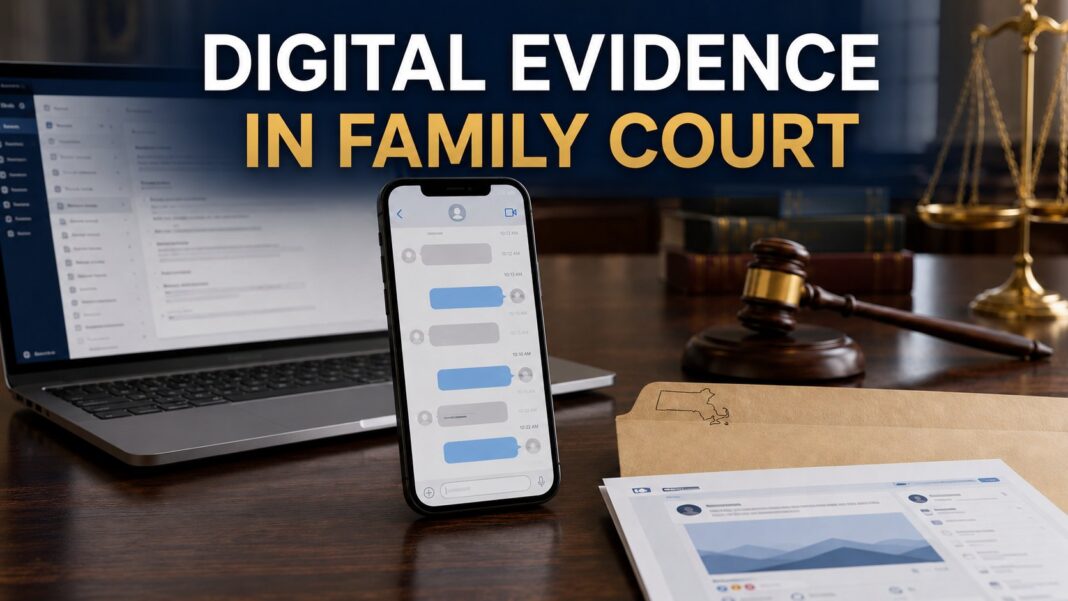
To preserve evidence after an accident, quickly take photographs or videos of the scene, including conditions, vehicle damage, and injuries. Document the date, time, location, events, and the names of involved parties. Request an incident report from the business, noting the report number and recipient. Maintain records of medical expenses, discharge papers, prescriptions, repair estimates, and daily logs of pain or activity limitations.
Extra Concerns for Tourists
Visitors often face expenses that local residents do not. Save receipts for canceled reservations, extended lodging, replacement transportation, rental-car costs, changed flights, and reasonable travel expenses related to medical care. Keep confirmation emails and screenshots showing the original itinerary and any changes caused by the injury.
Returning home does not necessarily prevent a person from pursuing a Wisconsin-related claim. However, it can make evidence collection more difficult. Before leaving the area, obtain contact information for witnesses and medical providers, photograph the scene, and avoid assuming that a business or insurer will preserve surveillance footage without a request.
Insurance and Settlement Issues
Insurance adjusters may request a recorded statement, medical authorization, photographs, or a signed release. Provide truthful basic information, but understand what a document authorizes before signing it. A broad medical release or final settlement can affect rights beyond the immediate vehicle repair or emergency-room bill.
Property damage and bodily injury are different parts of a claim. A car can be repaired within days, while an injury may affect work, sleep, mobility, family responsibilities, or future treatment for much longer. Be cautious about resolving an injury claim before the medical outlook is reasonably clear.
When to Consider Legal Guidance
Legal guidance may be useful when an injury is serious, treatment is ongoing, fault is disputed, multiple insurers are involved, or a business denies responsibility. It can also be helpful after a pedestrian crash, a commercial-vehicle collision, an incident involving a child, or an accident that causes permanent limitations or the death of a loved one.
The decision is not always straightforward after a collision. Our guide on when to hire a personal injury lawyer after an accident explains some of the circumstances that can make professional legal guidance worth considering.
Acting promptly can help preserve surveillance footage, vehicle data, witness memories, and records. This article provides general information, not legal or medical advice. After an injury in Wisconsin Dells, focus on safety, appropriate treatment, clear documentation, and informed decisions about the next step.