Domestic violence impacts nearly every part of a family law case in Lehi, including divorce, child custody, parent-time, support, housing, and communication between parents. People facing these circumstances often need to make urgent decisions while also managing fear, financial pressure, and concern for their children. Those considering their options can find out more about family law matters that may arise in the Lehi area.
Abuse is not limited to visible physical injuries. It may involve threats, stalking, intimidation, isolation, destruction of property, financial control, repeated monitoring, or behavior intended to control another person’s choices. In a family law case, the important question is often how the conduct has affected safety, parenting, decision-making, and each child’s well-being.
Why Domestic Violence Impacts a Family Law Case
Family law cases usually require parents to exchange information, make decisions, and communicate about children and finances. Domestic violence can make those ordinary expectations unsafe or unrealistic. For example, a survivor may be afraid to meet privately for mediation, disclose a new address, exchange children alone, or respond to constant messages from the other parent.
Courts do not treat safety concerns as separate from custody decisions. Under Utah’s custody factors, evidence of domestic violence, abuse, coercive control, and risks to a child’s physical or psychological safety can be relevant when determining what arrangement serves the child’s best interests.
Custody and Parent-Time Considerations
Domestic violence does not automatically determine every custody outcome, but it can significantly change the issues a judge evaluates. The court may consider whether a child witnessed abuse, was directly threatened, experienced emotional harm, or was exposed to conflict that created a continuing safety risk. Conduct aimed at controlling the other parent can also be relevant when it affects a parent’s ability to make independent decisions or safely care for a child.
Parenting Plans May Need Safety Protections
A standard parenting schedule may not work when there is a history of violence or stalking. Depending on the facts, a proposed plan may need to address:

- Neutral or supervised exchange locations
- Third-party transportation for child exchanges
- Supervised parent time when appropriate
- Communication only through a documented written platform
- Limits on direct contact between parents
- Specific rules for school, medical, and activity information
- Procedures for missed exchanges or emergencies
Details matter. A parenting plan that merely says “reasonable parent-time” may leave too much room for conflict. A safer plan identifies dates, times, locations, transportation responsibilities, and the method parents will use to communicate.
Protective Orders and Family Law Cases
A protective order may impose immediate court-ordered restrictions on contact, distance, residence, firearms, and temporary custody. A person can review Utah’s protective order process to understand the different forms of protection available, depending on the relationship and circumstances involved.
A protective order does not necessarily resolve every divorce or custody issue. A related family law case may still be needed to divide property, establish long-term custody, determine support, or enter a detailed parenting plan. When orders overlap, the parties should read each document carefully and follow the terms that apply. Informal agreements should not contradict a court order.
Documenting Concerns Without Increasing Risk
Evidence aids courts in understanding cases, but safety is paramount in the collection and storage of records. If safe, one should preserve complete communications, photographs, and relevant documents while creating a factual timeline detailing dates, locations, and actions taken. Emphasis should be on specific facts over generalizations.
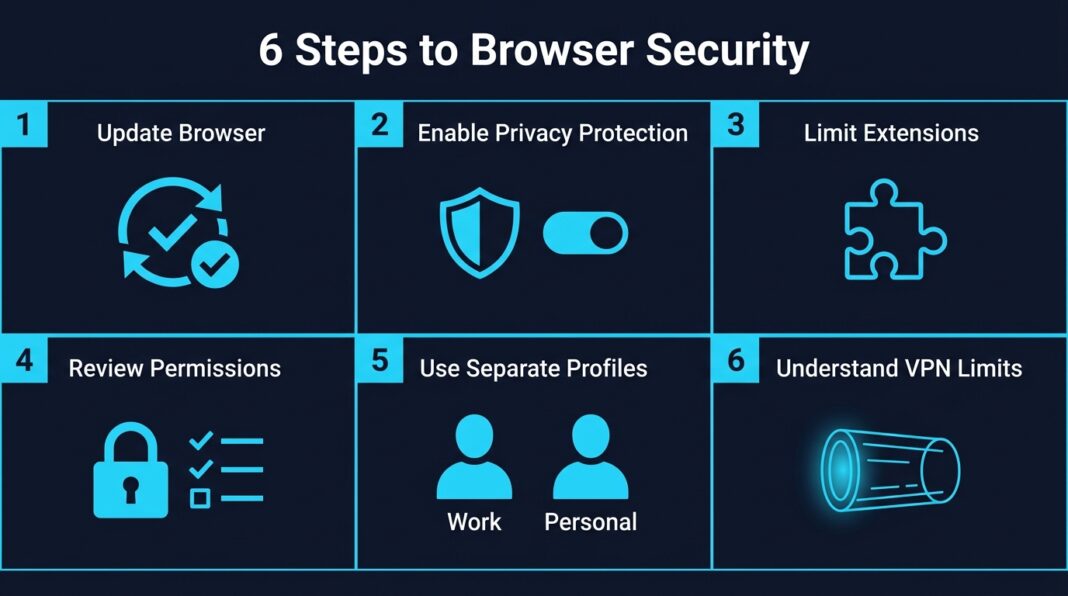
Avoid altering or deleting records, accessing another person’s accounts, or compromising your safety to obtain evidence. Use secure devices, back up important records, and store copies in a safe location. If you are concerned that your online activity may be monitored, it can also help to understand how a digital fingerprint works and what information a browser may reveal about your device.
Financial Abuse and Property Issues
Domestic violence may include financial control, such as preventing a spouse from working, taking wages, hiding accounts, creating debt in another person’s name, withholding necessities, or controlling access to transportation and documents. These issues can complicate property division, support discussions, and a person’s ability to leave safely.
Before discussing a settlement, gather available financial information, including pay stubs, tax returns, bank statements, credit card statements, retirement records, mortgage information, vehicle titles, insurance documents, and business records. If records are unavailable because another person controls them, make a list of what is missing and where it may exist. Avoid guessing when a document can later verify the amount.
Mediation and Communication in High-Conflict Cases
Mediation can be useful in some family law cases, but it is not appropriate in every situation or every format. A person who fears retaliation, coercion, or unsafe in-person contact should raise those concerns before mediation begins. Separate rooms, remote participation, staggered arrival and departure times, or other safeguards may be necessary.
Written communication should stay brief, factual, and focused on children or required case matters. Avoid using children as messengers, arguing through lengthy texts, or agreeing to major changes under pressure. Save messages that show schedules, payments, threats, missed exchanges, school issues, or efforts to interfere with parenting.
Steps to Take When Safety Is a Concern
- Call 911 if there is immediate danger or a crime is occurring.
- Seek medical care when injuries or health concerns are present.
- Consider whether a protective order, emergency custody request, or other court action may be needed.
- Keep identification, medications, financial records, keys, and children’s essential documents accessible if it is safe to do so.
- Tell a trusted person about any safety concerns and create an emergency plan.
- Use a secure email address, device, or location if internet activity may be monitored.
Conclusion
Domestic violence can reshape the practical and legal issues in a Lehi family law case. Safety concerns may affect where children are exchanged, how parents communicate, whether supervision is needed, how financial information is gathered, and what custody arrangement is appropriate. Careful documentation, clear court orders, and a safety-focused plan can help create a more stable path forward for parents and children during a difficult time.