
Key Takeaways: Brentwood Home Buying
- Set a complete ownership budget before touring homes, not only a target purchase price.
- Compare Brentwood locations by routine, access, privacy, street setting, and usable outdoor space.
- Look beyond finishes to assess condition, permits, drainage, insurance, and long-term maintenance.
- Use recent comparable sales and property-specific differences to shape an offer.
- Start inspections, insurance research, title review, and financing tasks early.
Buying in Brentwood calls for more than comparing square footage and listing photos. This Westside Los Angeles neighborhood includes condominiums near everyday conveniences, established single-family streets, canyon properties, renovated residences, and large estates. Buyers exploring homes for sale in Brentwood can use LeonardR Group’s Brentwood property search as an early view of active local listings. LeonardR Group serves Brentwood, Beverly Hills, Bel Air, Malibu, and nearby luxury markets, giving buyers a useful Westside context while they independently evaluate each address, disclosure, and contract term.
The best purchase decision begins with daily life. Consider how the home will work on an ordinary Tuesday morning, during an evening commute, and when maintenance or a major repair arises. A clear plan makes it easier to separate a beautiful home from a home that truly fits your priorities.
Why Brentwood Requires a Careful Buying Plan
Brentwood’s appeal comes partly from variety. A buyer seeking a walkable setting near shops and restaurants may make a different choice than someone who prioritizes a larger lot, a quiet street, or a canyon setting. Proximity to Santa Monica, Westwood, Bel Air, and Pacific Palisades can also affect how an address feels in practical terms, especially when traffic and preferred routes are considered.
Market headlines can be useful for broad context, but they do not establish the value of a particular home. Asking prices, online estimates, and neighborhood medians cannot fully capture a view corridor, lot usability, renovation quality, parking arrangement, architectural character, or a location on a busy versus lightly traveled street. Focus on the specific property and the most relevant recent sales.
Step One: Define the Right Brentwood Lifestyle
Write down the nonnegotiables before scheduling a full weekend of showings. Start with routine rather than features. A large kitchen may be appealing, but it will not offset a commute that feels unworkable or an outdoor area that does not suit how you plan to live.
- Decide whether walking access to cafes, services, and neighborhood activity matters.
- Test likely commute routes during the times you would actually travel.
- Consider privacy, street noise, driveway access, guest parking, and sunlight.
- Think about how often you expect to use the beach, parks, schools, or Westwood amenities.
- Separate essential space needs from features that would simply be nice to have.
Step Two: Build a Complete Purchase Budget
The listing price is only the opening number. A realistic budget also accounts for the down payment, lender charges, escrow items, inspections, property taxes, insurance, moving, repairs, furnishings, and planned improvements. Buyers should also preserve funds for surprises after closing, particularly when purchasing an older home or a property with extensive landscaping, pools, gates, or retaining walls.
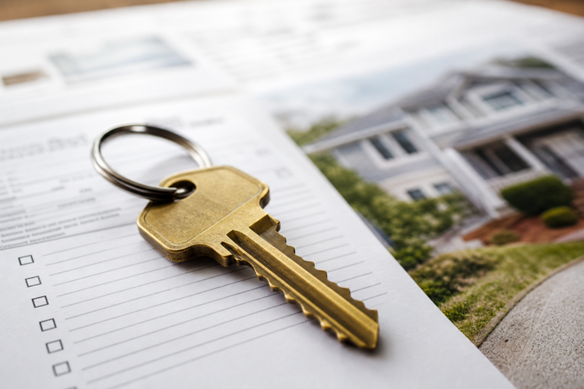
It helps to establish three separate limits: a comfortable monthly payment, a maximum all-in purchase price, and a cash reserve that remains untouched after closing. The homebuyer tools published by the Consumer Financial Protection Bureau can help buyers compare loan offers, understand Loan Estimates, and prepare for the closing process.
Step Three: Compare Property Types and Condition
Condos may reduce individual exterior maintenance, but buyers should carefully review HOA dues, reserves, rules, insurance, pending assessments, and meeting records. Single-family homes can provide more privacy and flexibility, but they also place more responsibility on the owner for systems, grounds, and repairs.
Updated homes are not automatically lower risk. Confirm permits for substantial additions and renovations, and ask for records related to roofing, plumbing, electrical work, pools, solar systems, accessory structures, and major mechanical equipment. Older homes may offer compelling character, but their inspection process deserves extra time and attention.
Step Four: Research the Address Before the Offer
Photos rarely show the condition of drainage, retaining walls, foundations, roofs, electrical panels, sewer lines, or nearby slopes. During tours, look for signs of deferred maintenance, uneven surfaces, water staining, limited access, and areas where landscaping may conceal issues. Ask direct questions about prior repairs, water intrusion, insurance claims, and work completed without permits.
Buyers considering an addition, remodel, or accessory use should check the parcel’s land-use information before treating future plans as certain. Los Angeles City Planning’s property zoning search tools can help identify zoning, planning records, and available permit history for a specific address.
Step Five: Address Insurance Early
Insurance should be researched before an offer is final, whenever possible. Obtain address-specific quotes and ask about coverage limits, deductibles, exclusions, wildfire exposure, water damage, and earthquake coverage. Hillside and canyon properties may warrant added questions about brush clearance, emergency access, drainage, grading, and retaining structures. Availability and terms vary by property and carrier, so confirm the details rather than relying on general assumptions.
Step Six: Use Comparable Sales and Offer Terms Wisely
Comparable sales are most meaningful when they resemble the home in location, condition, lot size, design, bedroom count, parking, privacy, and outdoor usability. Price per square foot can be one reference point, but it should not replace a full comparison.
- Review the original list price, final sale price, and time on market.
- Compare renovation quality, permit history, views, street position, and lot function.
- Factor in HOA dues, estimated insurance, likely repairs, and property tax obligations.
- Keep contingencies, financing strength, deposit, closing date, and included items in view.
A strong offer is not necessarily the highest offer. It is clear, well-supported, and aligned with the buyer’s ability to perform. Before signing, buyers should understand each deadline, contingency, and potential financial consequence with guidance from their real estate, lending, legal, and tax professionals as appropriate.
Step Seven: Complete Due Diligence and Prepare for Closing
Once an offer is accepted, move quickly but carefully. A general inspection may lead to a more specialized review by a roof inspector, pest inspector, structural engineer, drainage specialist, or geotechnical professional. Read seller disclosures, title documents, natural hazard information, easements, HOA materials, and permit records. For an architecturally significant or older property, investigate whether preservation rules or prior alterations could affect future work.
Before closing, complete lender requirements, confirm insurance, review the Closing Disclosure, and verify every wire instruction through a trusted phone number. Treat unusual payment requests or changed instructions as a warning sign. Careful organization during this final stage can prevent a rushed decision from undermining an otherwise sound purchase.
Final Checklist for Brentwood Buyers
- Set a complete purchase and ownership budget.
- Rank lifestyle, location, commute, and privacy priorities.
- Compare financing options and retain a post-closing reserve.
- Study relevant sales, active competition, and property records.
- Research insurance before removing contingencies.
- Inspect thoroughly and verify permits, disclosures, and title matters.
- Submit an offer with terms you fully understand.
- Review closing documents and protect payment instructions.
Conclusion
A thoughtful Brentwood purchase is built on preparation, not pressure. By weighing daily lifestyle, total costs, property condition, insurance, comparable sales, and contract terms, buyers can make a decision grounded in how the home will perform over time, not simply how it looks on showing day.
For more advice on making informed decisions, explore more practical guides.