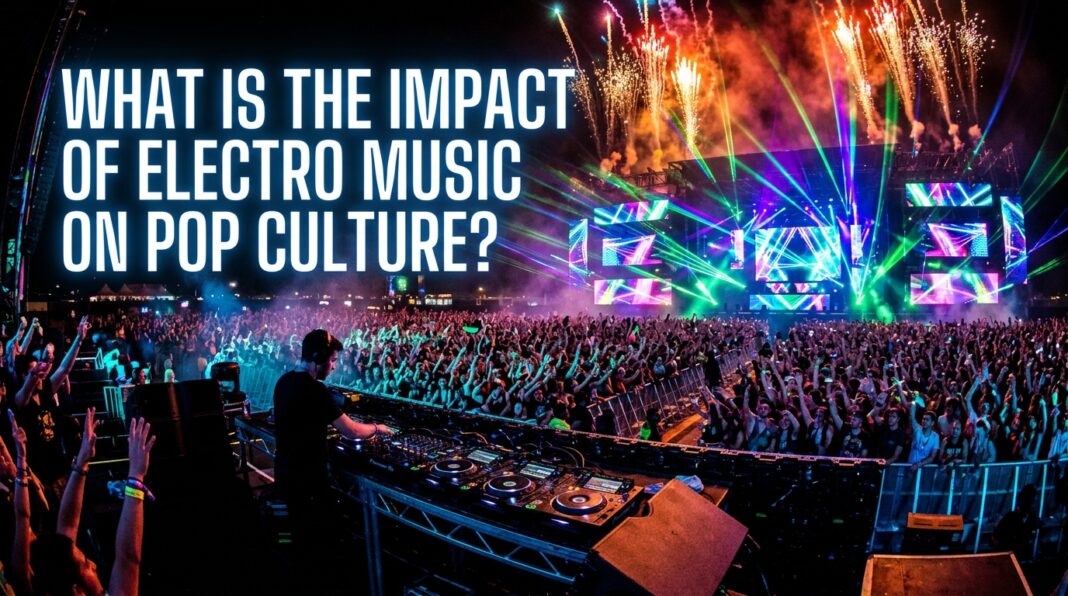
What Is the Impact of Electro Music on Pop Culture?
Can you remember the most recent time a song made you pause while scrolling and turn up the volume?
Most likely it was one with a strong rhythm, a synthesized part or a complex electronic soundscape. And that isn’t a coincidence at all! In fact, during the last 50 years, electro music has not only quietly but also very loudly changed the core of mainstream culture.
Being initially limited to Chicago club basements and warehouse rave scenes, electronic music has now become a $12.9 billion global industry in 2024, according to a report by IMS Business Report 2025, published by MIDiA Research. Besides defining fashion, influencing film soundtracks, and becoming the club & party music, it also has a say in how pop stars come up with their hit songs.
So, What Is the Impact of Electro Music on Pop Culture? Well, in this article, we take a thorough look at it – from the invention of the first synthesizer to the mainstage at big festivals, and we prove that it is much more profound than just a beat drop.
The Origins: Where Electro Music Was Born
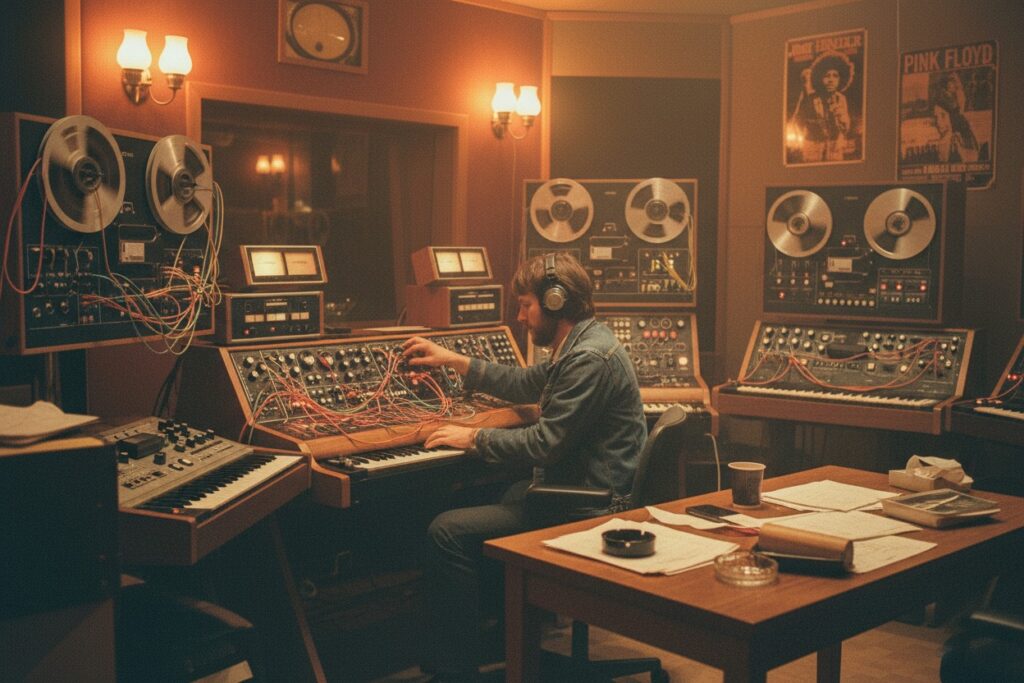
To understand the impact of electro music on pop culture, you first need to be aware of the origin of electronic music.
The foundations of electronic music can be traced to the 1970s, when traditional instruments started to be replaced by synthesizers and drum machines. It is fair to say that German electronic band Kraftwerk, under the guidance of Florian Schneider and Ralf Hütter, were the first real electronic artists. Rolling Stone states that artists as diverse as Gary Numan, Depeche Mode, Daft Punk, and Kanye West all acknowledge Kraftwerk as an essential source of their inspiration — and they are still one of the most sampled music groups in history.
At the end of the 1970s, Italian producer Giorgio Moroder was trying out the technology of fully synthesized tracks. Most notably, he produced Donna Summer’s “I Feel Love” — a track so revolutionary that it is said that David Bowie, after hearing it, made a comment that the song was the music of the future.
After that, the 1980s arrived. Synth-pop bands such as Depeche Mode introduced electronic production to the world of pop music. Moreover, songs like “Don’t You Want Me” and “Tainted Love” were not only number ones on the charts, but they represented cultural moments, making a statement that synthesizers can have the ability to fill huge concert halls.
Chicago, Detroit, and the Club Revolution
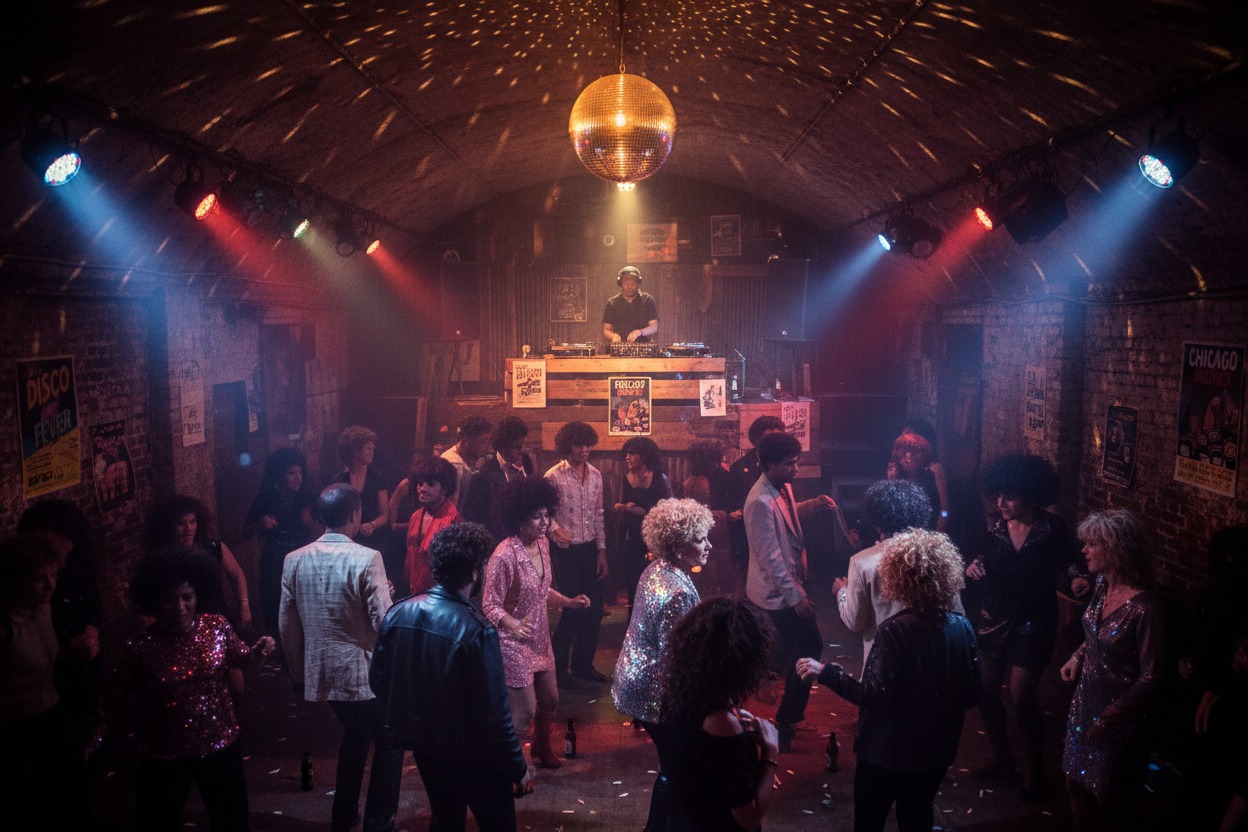
House music was born out of the warehouse parties in Chicago and was brought to life by DJs such as Frankie Knuckles,
who worked at the famous Warehouse club on South Jefferson Street. Rolling Stone writes that Knuckles’s lengthy sets combined disco, post-punk, R&B, and European synth-disco in such a way that he was instrumental in creating the electronic dance music culture. In the same period, Detroit became the home to techno, a genre characterized by its cold, industrial, and continuous rhythms.
Afrika Bambaataa went even further. His 1982 song “Planet Rock” took its melody and beat mainly from Kraftwerk, combining Black American club culture with European electronic experimentation. Rolling Stone explains that the new “electro-funk” sound language gave rise to Miami bass, Detroit techno, Latin freestyle, and a large part of modern dance music – all from one single record.
How Electro Music Took Over Mainstream Pop
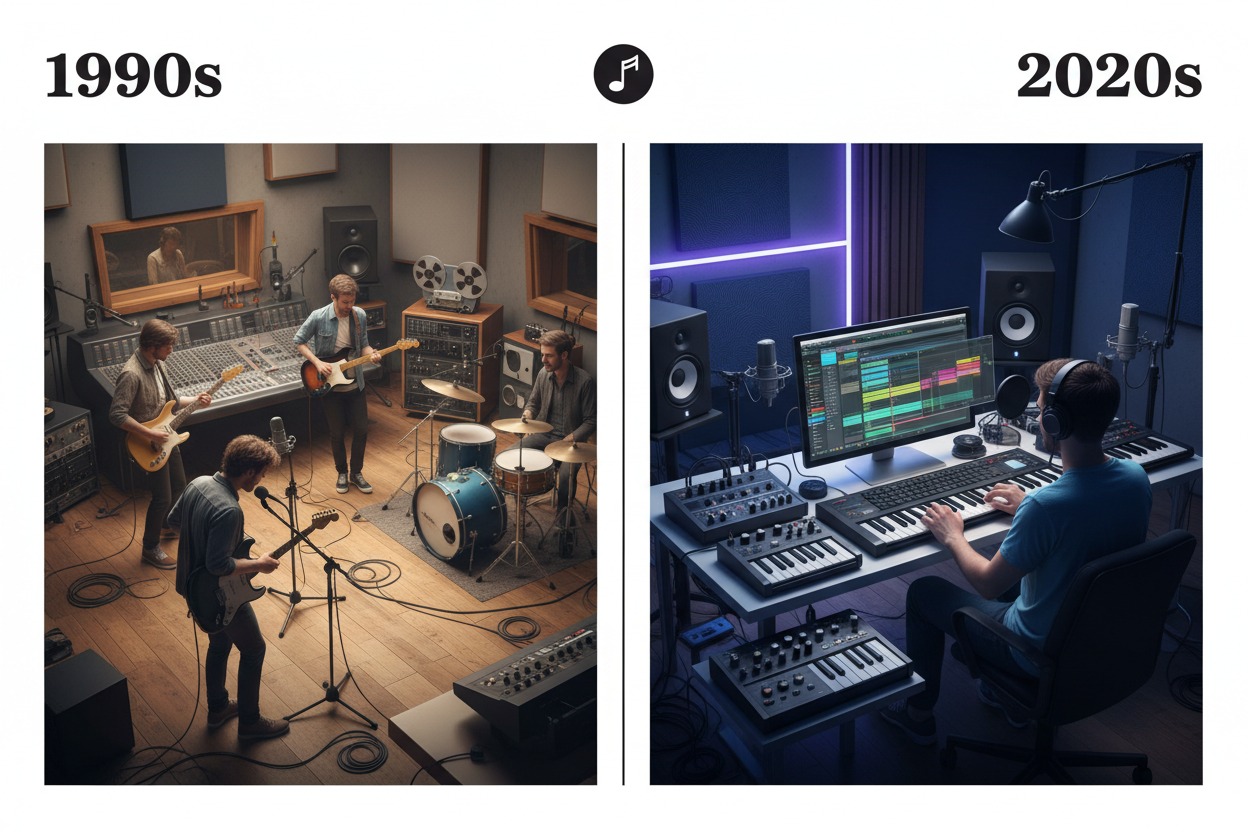
The transition from underground to mainstream was not an immediate switch. However, by the 1990s, the growth was so strong that nothing could stop it.
Groups such as Daft Punk, The Chemical Brothers, and Fatboy Slim popularized electronic music through radio and MTV. Their music videos were at the level of films. They had many platinum albums. Eventually, the rise of the superstar DJ followed.
During the 2000s and 2010s, with the help of figures like Calvin Harris, David Guetta, and The Chainsmokers, the genre was no longer a separate one in the musical landscape. These musicians helped in the production of songs for famous pop singers — Rihanna, Beyoncé, and Taylor Swift. Electronic music production elements — four-on-the-floor kicks, synthesized leads, and vocal chops — were often used as the basis of creating new songs in pop music.
Nowadays, it is almost a rarity to see a track on the Billboard Hot 100 chart that is totally without the influence of electronic music production. The 808 drum machine — which was originally used in electro-funk music — has now become a staple not only of country music but also K-pop, and many other styles.
Key Influence Timeline: Electro to Pop Pipeline
| Era | Electronic Innovation | Pop Culture Outcome |
|---|---|---|
| 1970s | Synthesizers & drum machines | Birth of disco and synthpop |
| 1980s | MIDI, Depeche Mode era | Synth-pop dominates charts |
| 1990s | House, Techno, Rave culture | Underground subcultures explode |
| 2000s | Superstar DJs rise | EDM enters mainstream festivals |
| 2010s–now | AI tools, streaming, TikTok | Electro production standard in all pop |
The Fashion and Visual Culture Revolution
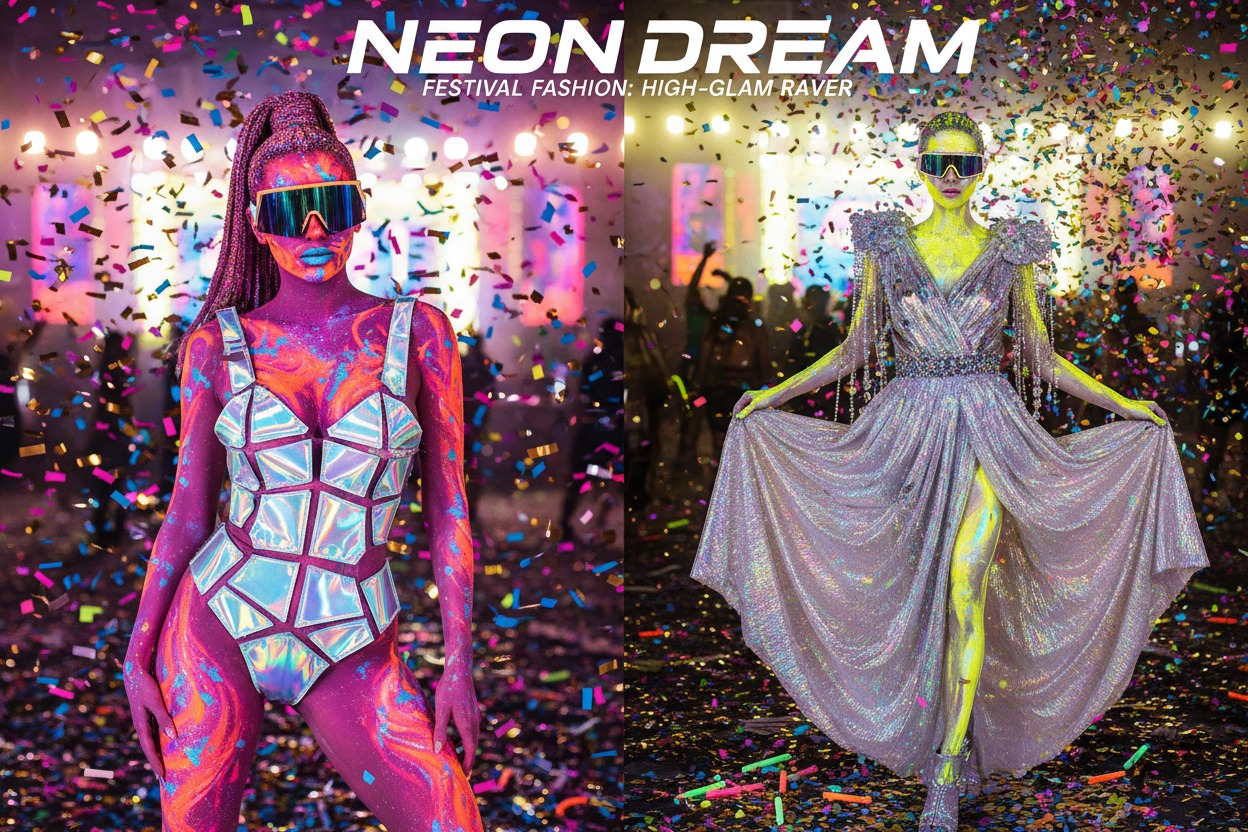
Music has always influenced fashion, but electronic music created entire visual universes.
As Billboard documented, fashion has always played a significant role in electronic music culture — from the vivid colors of the 1980s acid house scene to the oversized pants and fanny packs of the 1990s rave scene. These styles didn’t just stay at the club; they bled into streetwear, runway fashion, and eventually everyday life.
Daft Punk’s robotic helmets transformed into a staple image of popular culture, even inspiring album covers and fashion magazines. The visual aspects of electronic music, including geometrical designs, glitch art, flashing lights, and sci-fi looks, have been linked to an avant-garde character that designers frequently draw from nowadays.
Major DJs have crossed directly into fashion. As Billboard reports, DJ-turned-designer collaborations became a trend in their own right — from Honey Dijon partnering with Comme des Garçons to Peggy Gou launching her own fashion label Kirin. The intersection of electronic music and fashion has never been more commercially powerful.
Film, Television, and the Sonic Identity of Modern Media
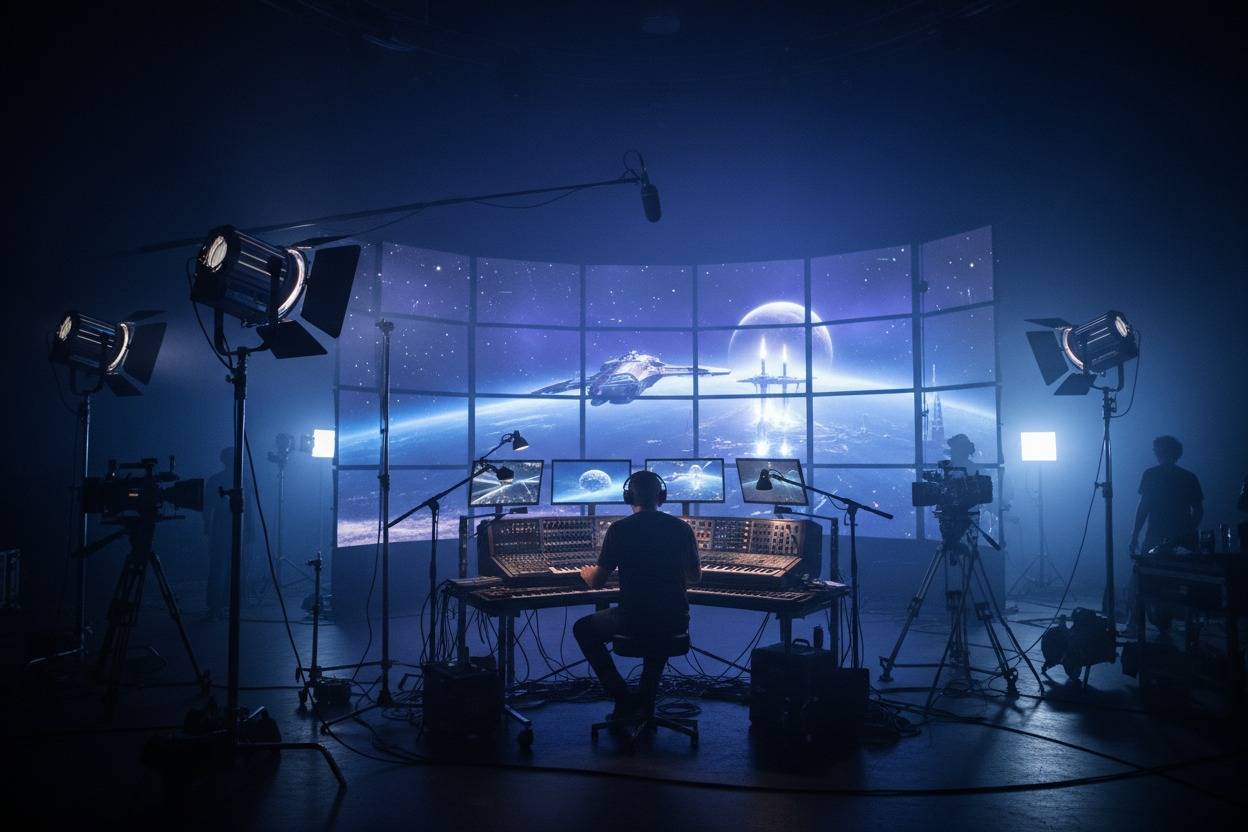
You might not always notice it, but electro music is everywhere in your screen time.
Trent Reznor and Atticus Ross, both rooted in electronic music, have become Hollywood’s go-to composers for defining modern cinematic tension. As Rolling Stone and Billboard confirm, the duo have won multiple Golden Globes and an Academy Award for their electronic-driven scores — for The Social Network, Soul, and Challengers. Their third Golden Globe win in January 2025 for Challengers further cemented electronic production’s prestige in film.
Beyond awards, Kyle Dixon and Michael Stein’s electrifying score for Stranger Things revived the 1980s synth-pop nostalgia in one of Netflix’s major franchises – and it was directly responsible for the rise in vinyl and synthesizer sales. Even the major motion pictures that come out of Hollywood employ electronic sound design to heighten tension, warn of danger, or depict futuristic environments.
The music style in electronic music has now gone so far that it leaves its fingerprint not only on the dancefloor but through the media like film, TV, advertisements, video games, and fitness apps as well.
The Rise of the Festival Economy
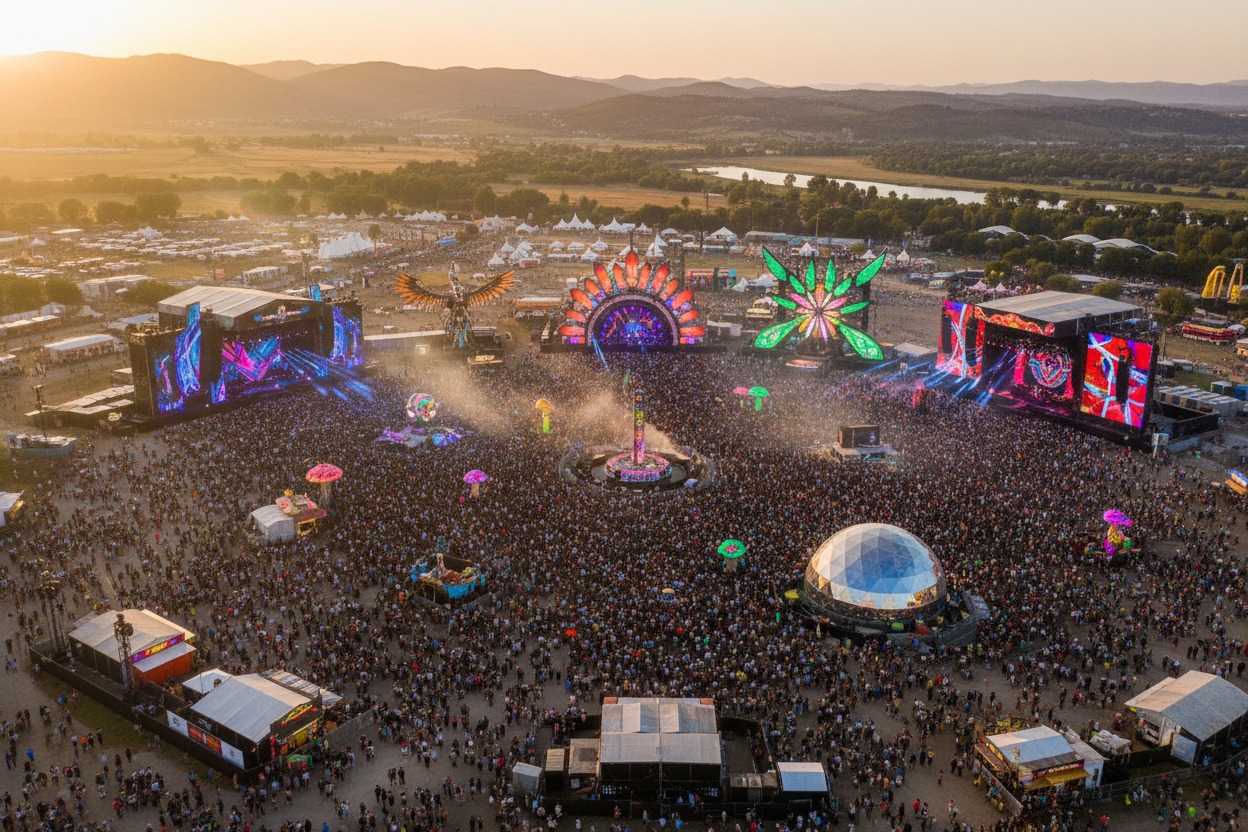
Perhaps the clearest sign of electro music’s cultural dominance is the festival economy it created.
According to the IMS Business Report 2025, festivals and clubs remain the single largest revenue source for the entire electronic music industry. The report confirmed that the presence of electronic acts on global festival lineups hit 18% in 2024 — up from 13% in 2021. Tomorrowland, Ultra Music Festival, and Electric Daisy Carnival now attract hundreds of thousands of attendees per event, generating massive economic activity in tourism, hospitality, and local retail.
These aren’t just concerts. They are multi-day immersive experiences with elaborate stage designs, pyrotechnics, art installations, and synchronized laser shows. They have become cultural pilgrimages for millions of fans worldwide.
The global electronic music industry hit a record $12.9 billion in 2024, a 6% year-over-year increase, as reported by DJ Mag citing MIDiA Research. And the momentum isn’t slowing — the latest IMS report now shows the industry grew to $15.1 billion in 2025, a 7% rise, according to DJ Mag’s coverage of IMS Ibiza 2026.
How Electro Music Changed the Way Music Is Made
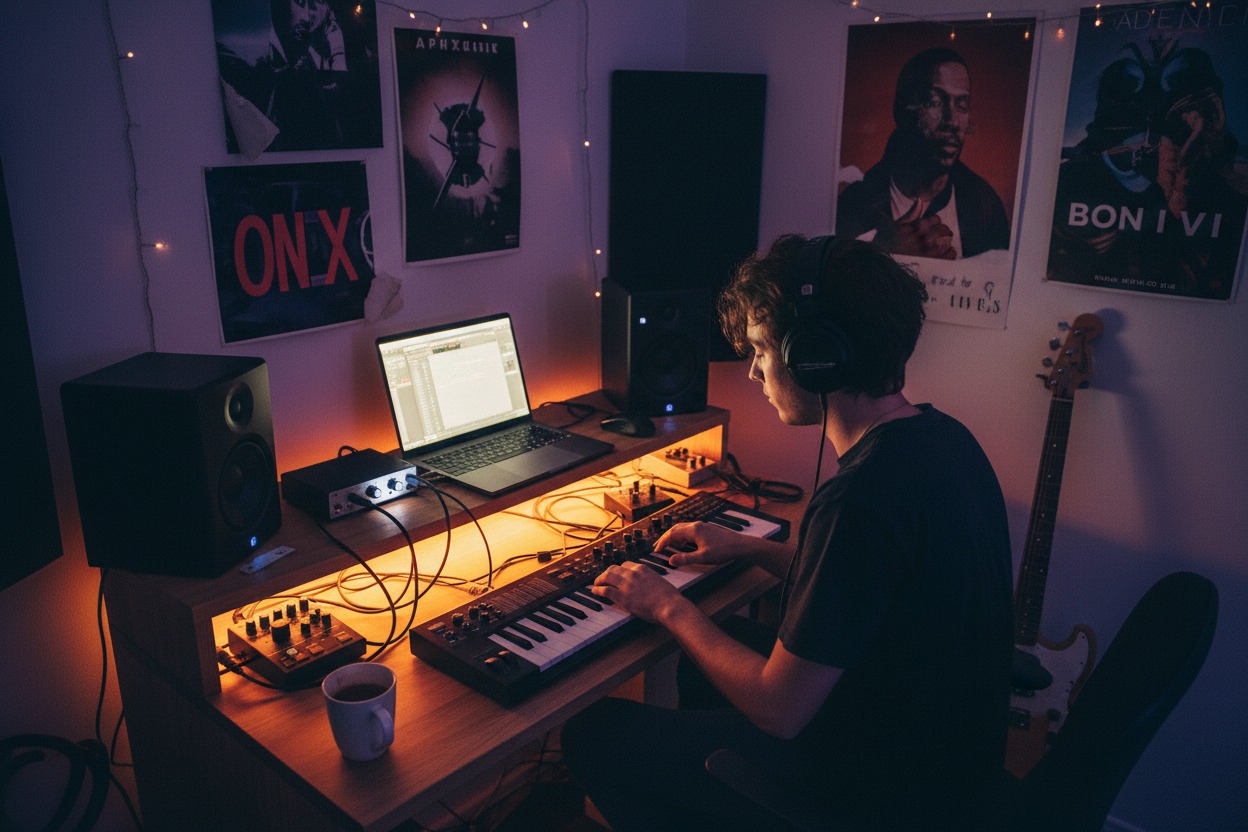
One of electro music’s most profound impacts is democratizing music creation.
Before synthesizers and digital audio workstations (DAWs), making a record required a full studio band, expensive studio time, and a label deal. Electronic music changed all of that. Tools like Ableton Live, FL Studio, and Logic Pro are now available for a few hundred dollars. Free cloud-based tools have made music production accessible to virtually anyone with a laptop.
This shift didn’t just create more music — it fundamentally changed who gets to make music. Bedroom producers from small towns and developing countries can now create tracks that reach global audiences on Spotify, SoundCloud, and TikTok.
As the IMS Business Report confirms, independent labels grew their market share to 30% of global label revenues by 2024 — a fifth consecutive year of gains. Meanwhile, around 60 million users engaged with music creation apps in 2024 alone, with 10% of consumers reporting they used generative AI to compose music or lyrics.
The DJ also evolved from a background figure into a leading cultural force. According to Billboard, DJs have transcended the club scene entirely — crossing into fashion design, brand partnerships, and global arena tours — reshaping what it means to be a music artist in the 21st century.
The Social and Cultural Legacy of Electro Music

Beyond the music itself, electro culture built something rare: a genuine sense of belonging.
The rave and club scenes of the 1980s and 1990s were famously inclusive spaces — welcoming LGBTQ+ communities, people of color, and social outsiders at a time when mainstream culture often shut them out. As Rolling Stone documents, house music grew directly from Chicago’s Black and queer nightlife scene, and that ethos of acceptance carried forward into the broader EDM world.
That social spirit is also visible in how electro music has traveled globally. According to DJ Mag’s coverage of the IMS 2025 report, 566 million new electronic music fans were added across Spotify, YouTube, TikTok, Instagram, and Facebook in 2024. TikTok posts featuring electronic music grew 45% in a single year, surpassing indie music content with 13 billion views total. Mexico’s electronic music listenership grew by a staggering 60%.
The music keeps reaching new generations because its core values — inclusivity, creativity, and communal energy — are universal.
Expert Tips — Understanding Electro Music’s Cultural Reach
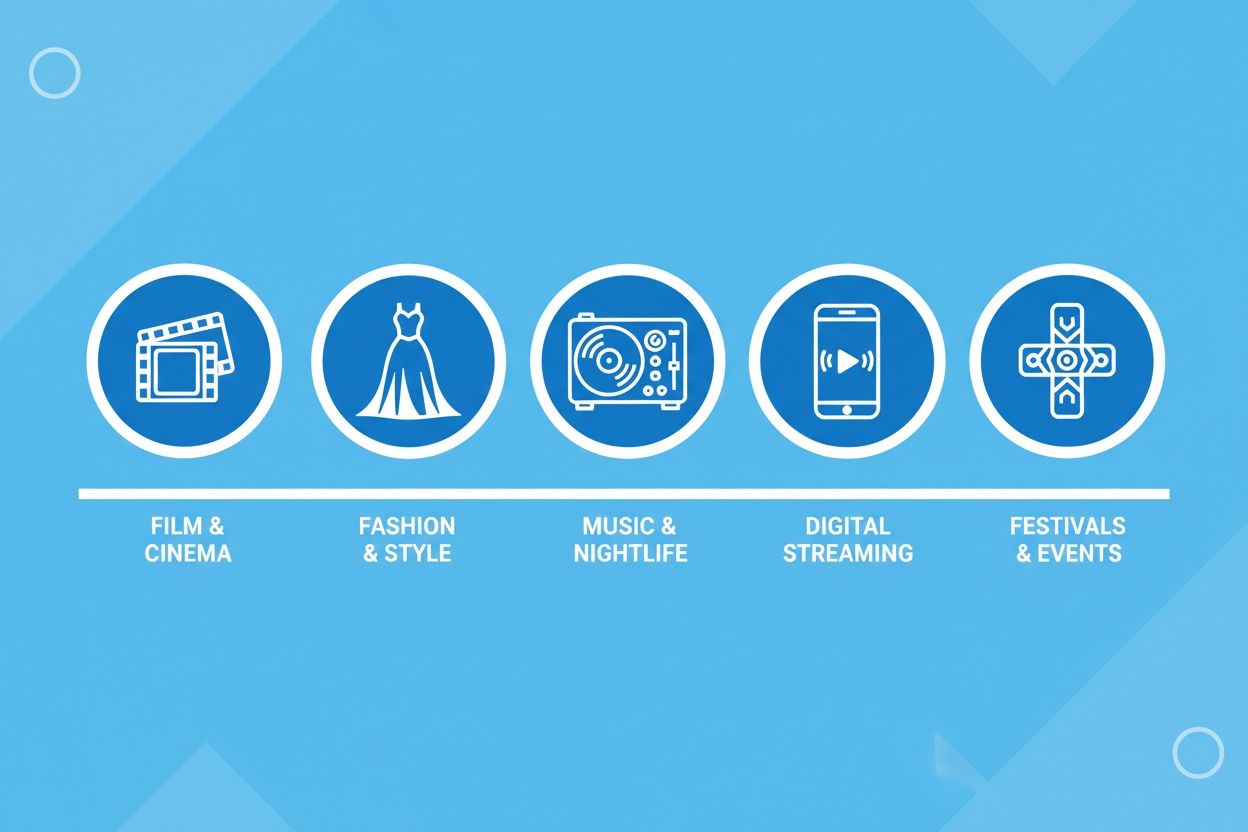
Whether you’re a music fan, a content creator, or a marketer, understanding electro music’s cultural reach can be practically useful. Here are some expert-level observations:
- Listen for the 808. The Roland TR-808 drum machine appears in hip-hop, pop, country, and R&B. If you hear that characteristic kick, you’re hearing electro’s lasting legacy.
- Watch the fashion cycles. Rave aesthetics — puffer jackets, chunky sneakers, neon accents — resurface in mainstream fashion regularly and reliably signal electro culture’s ongoing influence.
- Track the soundtrack credits. Next time a film or TV show has a powerful score, check if the composers have an electronic background. More often than not, they do.
- Follow the festivals. Coachella, Tomorrowland, and EDC are cultural bellwethers. The artists headlining them often define the next phase of mainstream pop.
- Pay attention to streaming data. Platforms like Spotify and Beatport publish genre trend reports. Where electronic music grows in streams, mainstream pop often follows within a year or two.
Pros and Cons of Electro Music’s Cultural Dominance
| Pros | Cons |
|---|---|
| Democratized music production | Homogenization of pop sound |
| Created inclusive community spaces | Algorithm-driven music can feel formulaic |
| Drove innovation in live performance | Smaller artists struggle with streaming royalties |
| Influenced fashion, film, and visual art | High production costs for independent artists |
| Built a multi-billion dollar global economy | Cultural appropriation tensions around house music’s roots |
Frequently Asked Questions (FAQs)
What Is the Impact of Electro Music on Pop Culture?
Electro music has fundamentally reshaped pop culture across multiple dimensions — transforming music production, fashion, film soundtracks, live entertainment, and social communities. Its synthesizer-driven sounds became the backbone of modern pop music, while its inclusive subculture shaped how generations of young people connect and express identity.
When did electronic music enter mainstream pop?
Electronic music began crossing into the mainstream in the 1980s through synth-pop acts like Depeche Mode. By the 2000s, superstar DJs like Calvin Harris and David Guetta were producing for pop’s biggest names, and by the 2010s, electronic production elements had become the default standard for chart-topping music worldwide.
How did electro music influence fashion?
Electro music created distinct visual subcultures — from rave culture’s neon and reflective fabrics in the 1990s to the futuristic minimalism of acts like Kraftwerk and Daft Punk. These aesthetics cyclically re-enter mainstream fashion, influencing streetwear, runway collections, and the multi-billion dollar festival clothing market.
What is the economic impact of electronic music?
According to the IMS Business Report, the global electronic music industry reached a record $12.9 billion in 2024, growing 6% year-on-year. By 2025, the industry expanded further to $15.1 billion, driven by live events, streaming, publishing, and hardware sales.
How has electronic music changed music production?
Electronic music pioneered the use of synthesizers, drum machines, and digital audio workstations (DAWs), making professional music production accessible to independent creators worldwide. Today, bedroom producers can create radio-quality tracks without label support or expensive studios — a revolution that the IMS 2025 report confirms has driven independent labels to 30% of global market share.
Conclusion
Electro music didn’t just change what we listen to — it changed how we experience culture entirely.
From Giorgio Moroder’s synthesizer experiments in the 1970s to Afrika Bambaataa’s groundbreaking Planet Rock in 1982, to AI-assisted production tools shaping today’s TikTok hits, what is the impact of electro music on pop culture is a question with a vast, living answer. It rewired fashion, redefined live entertainment, democratized music creation, and built global communities rooted in joy, inclusivity, and shared rhythm.
The next time you hear a synthesizer swell in a movie, spot rave-inspired fashion on a runway, or watch a DJ drop a beat to 100,000 screaming fans — you’re watching five decades of electro music’s revolution play out in real time.
Want to go deeper? Read the full IMS Business Report 2025 at International Music Summit for the latest industry data, or explore Rolling Stone’s history of house music to trace the full cultural journey from Chicago’s dancefloors to global festival mainstages.
This article is for informational purposes only. All statistics and data are sourced from publicly available reports and authoritative publications.
Also Read: How to Make a Realm on Java 1.21.10 with Datapacks
How to Create a Custom New Command Key in mpc-hc64.exe