Why Did Cerebral Success Go Out of Business?
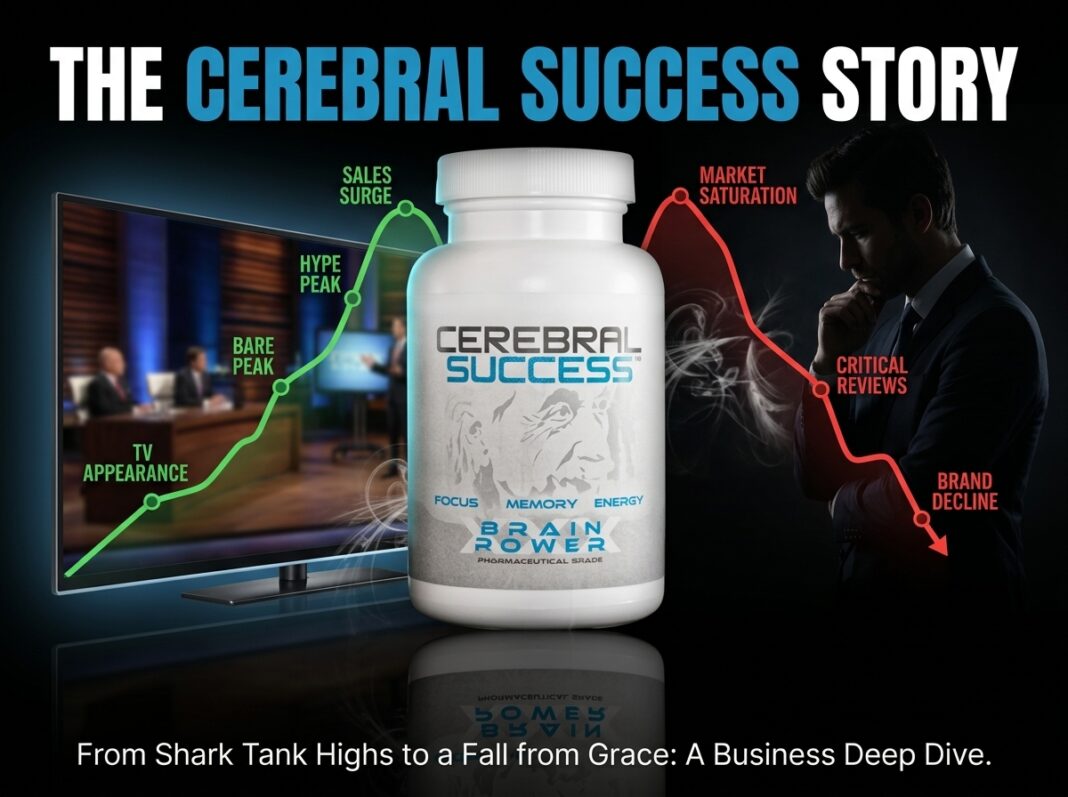
If you searched why did Cerebral Success go out of business, you probably remember the brain supplement that appeared on Shark Tank and wonder how a company that landed a deal with Barbara Corcoran eventually disappeared. The short answer is that Cerebral Success appears to have stopped operating around 2019, but the exact reason for its closure has never been clearly explained by the company.
That missing piece is important. Many articles online state that the company failed because of competition, financial problems, or supplement regulations as if these were confirmed facts. The available evidence does not support such certainty. What we can confirm is that the brand had a Shark Tank deal, expanded its retail presence, rebranded its product, and eventually shut down. The reasons behind that final decision are less clear.
In this article, I will separate what is known from what is only speculation. I will also look at the product’s ingredients, the Shark Tank deal, its rebranding, the Cerebral Success net worth, and whether Cerebral Success is still in business today.
The biggest lesson from the Cerebral Success story is simple: a Shark Tank deal can create massive attention, but attention alone does not guarantee that a business can survive for years.
What Was Cerebral Success?
Cerebral Success was a dietary supplement company founded by entrepreneur Trevor Hiltbrand. Its main product was marketed as a brain supplement intended to support areas such as focus, memory, mental energy, and alertness.
The company was particularly interested in students and young professionals. Its marketing positioned the product as a way to support concentration without relying on traditional energy drinks or prescription stimulants. This was a strong marketing angle because students often look for ways to stay focused during long study sessions.
The company was not simply selling vitamins. It was selling the idea of better mental performance. That distinction mattered because the nootropic and cognitive supplement market was already becoming attractive to consumers who wanted help with focus and productivity.
When Cerebral Success appeared on Shark Tank, Hiltbrand was asking for $75,000 in exchange for 20% of the company. Barbara Corcoran ultimately agreed to invest $75,000 for a 40% stake. The deal gave the relatively young business access to something it needed badly: capital, retail connections, and an experienced business partner.
Cerebral Success on Shark Tank: What Happened?
The Shark Tank appearance became the most important moment in the company’s public history.
Hiltbrand entered the Tank looking for an investment in his brain supplement business. His pitch focused on the idea that Cerebral Success could help people improve focus and memory. He also presented the product as an alternative to the growing use of prescription drugs as study aids among college students.
The Sharks, however, did not all see the opportunity in the same way. Questions were raised about the product’s effectiveness, scientific evidence, and the founder’s experience in the supplement industry.
This is where the Cerebral Success story becomes more interesting than a simple “Shark Tank success” or “Shark Tank failure” story. The company did receive an investment, but several concerns raised during the pitch were connected to challenges that can be difficult for a supplement brand to overcome.
The Shark Tank Deal
The basic deal was:
| Detail | Information |
|---|---|
| Founder | Trevor Hiltbrand |
| Product | Cerebral Success brain supplement |
| Investment requested | $75,000 |
| Equity requested | 20% |
| Final reported deal | $75,000 for 40% |
| Shark | Barbara Corcoran |
| Industry | Dietary supplements and nootropics |
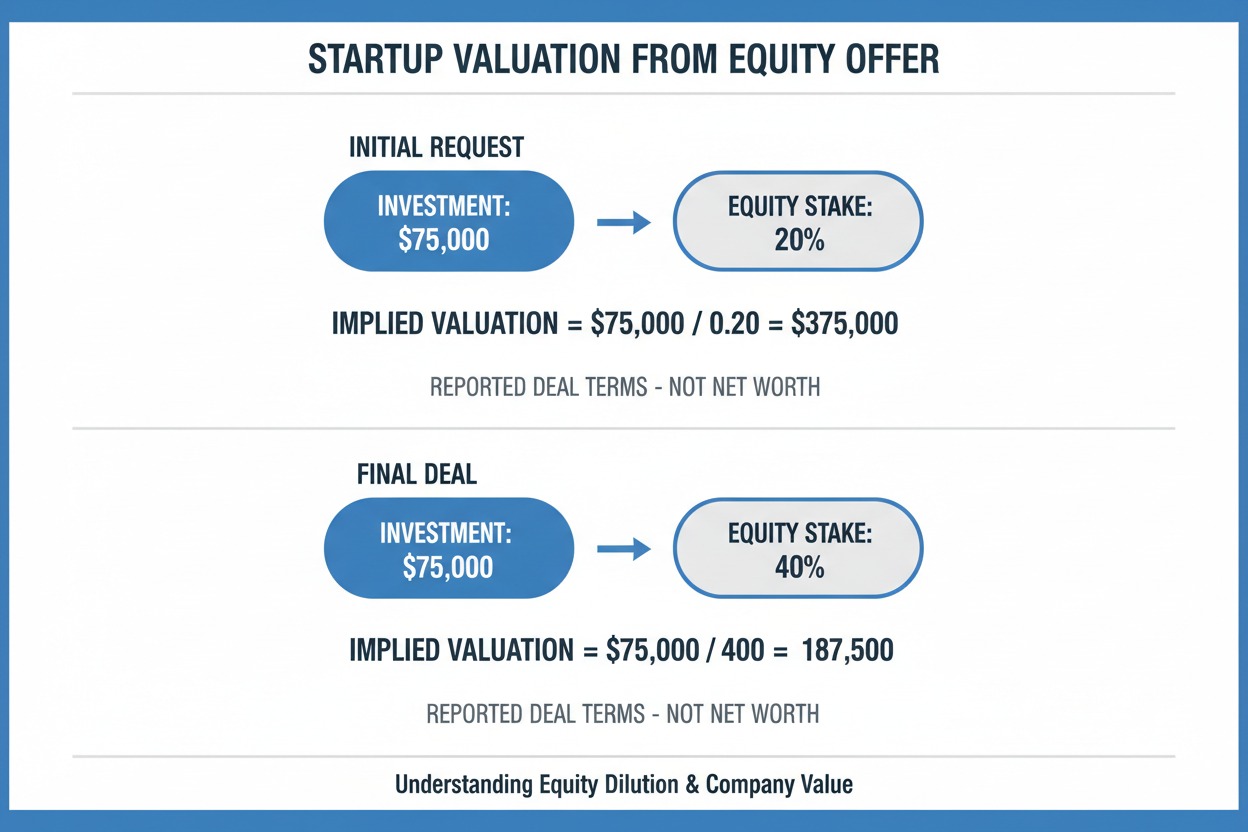
The reported valuation based on the original $75,000 for 20% request was $375,000. However, the final deal gave Barbara 40% for the same investment, which effectively changed the ownership structure.
One thing I would recommend when reading old Cerebral Success Shark Tank update articles is to check the dates carefully. Some newer websites repeat different episode numbers, dates, and business statuses without explaining where their information came from. The older Shark Tank coverage and the company’s own 2014 press release provide a more useful picture of what was happening at the time.
What Happened to Cerebral Success After Shark Tank?
The company initially appeared to benefit from its Shark Tank exposure.
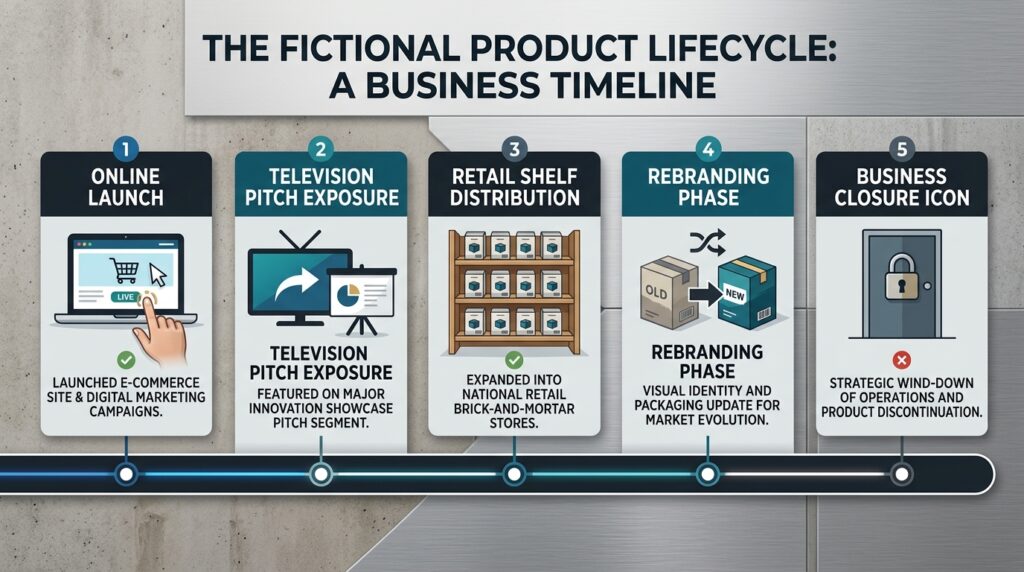
Barbara Corcoran reportedly helped the product reach a much larger retail audience, including distribution through GNC stores. The company also changed its branding and eventually marketed the product under the name SmartX or Smart X by Cerebral Success.
This was a significant change.
Before Shark Tank, Cerebral Success was largely an online business. After the show and the deal with Barbara, the brand had a chance to move toward a more traditional retail model. That meant potentially reaching customers who had never heard of the company before.
The rebranding also shows that the company was trying to evolve. It was not simply sitting on its Shark Tank publicity. It changed the product’s presentation, packaging, and positioning as it attempted to grow.
But this is where a common mistake appears in many online articles. They often assume that because a company gained retail distribution after Shark Tank, it must have become a long-term success. That is not necessarily true.
Retail expansion can create new challenges. A brand has to maintain inventory, manage manufacturing, meet retailer requirements, support customers, and continue generating enough sales to justify shelf space. Getting into stores is only one part of building a sustainable business.
The Rebranding From Cerebral Success to SmartX
The change from Cerebral Success to SmartX is one of the most important parts of the story, yet it is often treated as a minor detail.
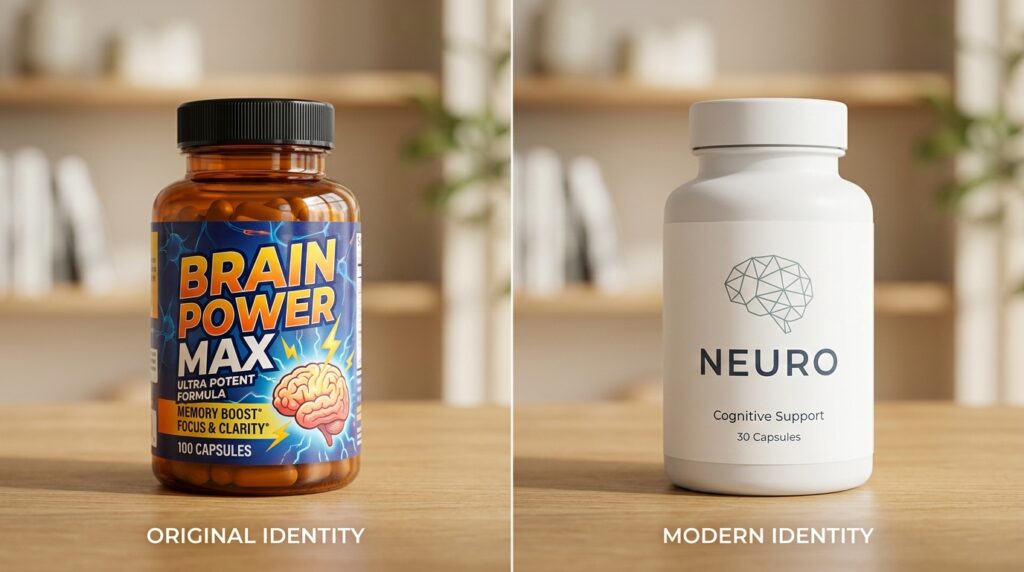
The product’s identity changed after the Shark Tank appearance. The company reportedly rebranded the supplement as SmartX and redesigned its packaging. This could have helped make the product feel more modern and easier to market beyond its original student-focused audience.
But a rebrand can also create a problem.
When a company changes its name, consumers may not immediately understand whether they are looking at the same product or an entirely new one. A customer who remembers Cerebral Success might later search for that name and find SmartX instead. If the brand does not clearly communicate the transition, some of that existing recognition can be lost.
This does not prove that the rebranding caused the eventual closure. There is no reliable evidence showing that. It is simply one part of the business journey worth understanding.
The more important point is that the company went through a major transition after Shark Tank. It changed its branding and expanded distribution, but these changes did not ultimately result in a business that remained active for the long term.
Why Did Cerebral Success Go Out of Business?
So, why did Cerebral Success go out of business?
This is where we need to be careful.
There does not appear to be a detailed public statement from Trevor Hiltbrand or Cerebral Success explaining exactly why the company closed. The widely reported timeline places the shutdown around 2019, with the Shark Tank Blog specifically reporting that Hiltbrand closed the business in October 2019.
Because there is no detailed official explanation, it would be inaccurate to say, for example, “Cerebral Success definitely failed because of ingredient costs” or “the company definitely closed because of FDA action.”
Those claims are not established by reliable evidence.
Instead, the best answer is to look at the circumstances surrounding the business and identify the challenges that may have contributed to its eventual closure.
1. The Supplement Market Is Extremely Competitive
The first major challenge was competition.
Brain supplements and nootropics are highly competitive categories. A company entering this market has to compete with established supplement brands, newer nootropic companies, vitamins, energy products, and consumers who may choose coffee or other inexpensive alternatives.
Cerebral Success also had a difficult positioning challenge. It was marketed around focus, memory, and mental performance, but these are benefits that many competing products also promise.
That means a company needs a strong reason for customers to choose its product repeatedly.
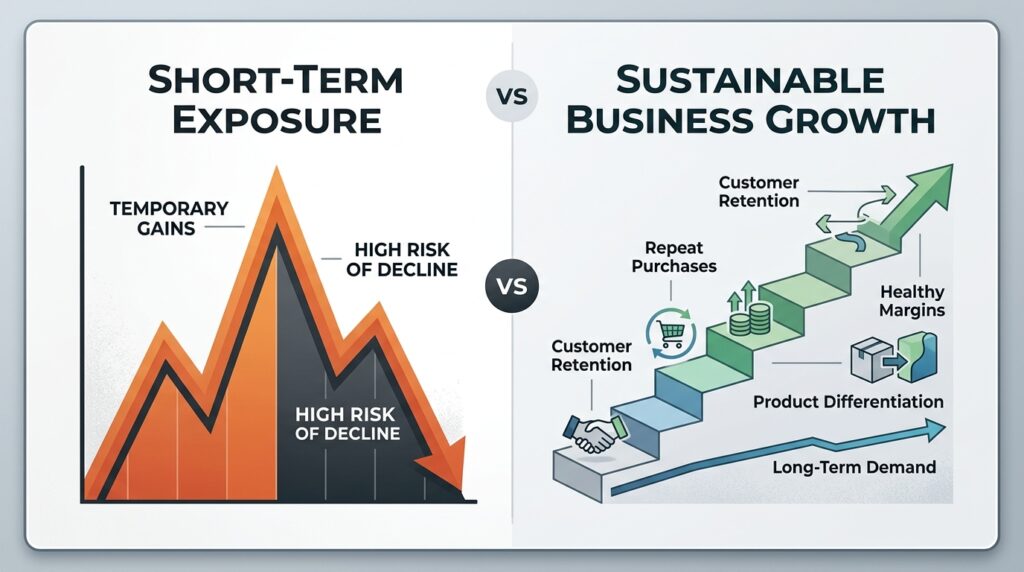
A memorable Shark Tank appearance can create an initial sales spike. However, long-term success depends on whether customers continue buying after the publicity disappears.
This is one of the biggest business lessons I see in the Cerebral Success story. A marketing moment is not the same thing as a sustainable customer base.
2. Shark Tank Exposure Does Not Guarantee Long-Term Success
Many entrepreneurs dream about appearing on Shark Tank because the show can create enormous visibility.
But there is a major difference between getting attention and building a company that survives for ten or twenty years.
Cerebral Success received exposure and reportedly gained access to major retail distribution after the show. Yet the company still eventually closed.
This is not unusual in entrepreneurship.
A business can have:
- A strong product idea
- A well-known investor
- Media exposure
- Retail distribution
- A recognizable brand
And it can still struggle.
The reason is that every business needs a sustainable model behind the publicity. The company must consistently acquire customers, maintain margins, manage expenses, and keep its product relevant.
Cerebral Success appears to have achieved several of the early milestones but did not remain active in the long term.
3. The Product’s Claims Created a Difficult Marketing Environment
Brain supplements operate in a sensitive category.
Consumers want products that can improve focus and memory, but companies also have to be careful about how they describe what their products can do.
The FDA’s guidance on dietary supplement claims explains that manufacturers making certain structure/function or general well-being claims need substantiation that their claims are truthful and not misleading. The FDA’s guidance also distinguishes these claims from disease claims.
This matters for Cerebral Success because its entire marketing proposition centered on cognitive benefits.
The more a brand talks about memory, focus, concentration, or mental performance, the more important it becomes to communicate those claims accurately and responsibly.
However, there is no clear evidence that an FDA enforcement action caused Cerebral Success to close. That distinction is important.
Some online articles imply regulatory problems were the direct reason for the company’s shutdown. I could not find reliable evidence that proves this. It is better to describe regulatory compliance as an ongoing challenge for supplement companies rather than claim it was the confirmed cause of Cerebral Success’s closure.
4. The Company May Have Struggled to Maintain Momentum
Another possible explanation is the natural decline that can happen after a major publicity event.
A Shark Tank appearance can bring a business a sudden wave of attention. But the company has to convert that attention into repeat customers.
Imagine that thousands of people discover a product because they saw it on television. That sounds great. But what happens six months later?
The business now needs to convince those customers to buy again. It also needs to attract new customers who never watched the show.
That requires ongoing marketing.
The available public information does not give us enough detail to calculate Cerebral Success’s customer retention rate, advertising costs, or profit margins. Therefore, we cannot say that declining sales definitely caused the closure.
Still, the company’s disappearance after several years suggests it was unable to continue operating indefinitely.
5. Rebranding Did Not Create Permanent Stability
The switch to SmartX was an attempt to move the brand forward.
However, rebranding is not a guaranteed solution to a company’s underlying challenges.
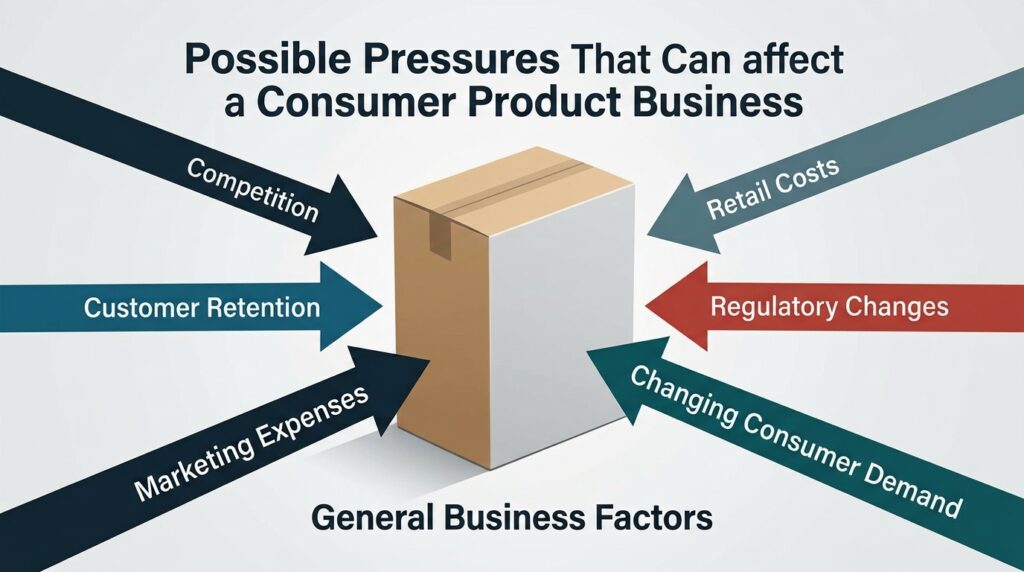
A new name and new packaging can improve the appearance of a product, but they do not automatically solve issues involving:
- Customer retention
- Product differentiation
- Manufacturing costs
- Retail economics
- Marketing expenses
- Competition
- Consumer trust
The company reportedly continued under the SmartX identity before eventually shutting down. That suggests the rebrand itself was not enough to create long-term stability.
Again, this is an analysis of the available timeline, not a confirmed statement from the founder about the reason for closing.
6. The Business May Have Been Too Dependent on a Narrow Customer Segment
Cerebral Success initially had a strong connection with college students and people looking for help with focus and studying.
That positioning made sense.
But a narrow target audience can also limit growth.
Students may have different budgets and purchasing habits than working professionals. They may also have many alternatives, including coffee, energy drinks, and other supplements.
A company can expand its target market, but doing so requires careful branding.
Cerebral Success had to move from being perceived as a student-focused brain supplement toward a broader cognitive wellness product. The SmartX rebranding may have been part of that effort.
Whether the company successfully made that transition is difficult to determine from the available public records.
What We Know vs. What We Don’t Know
This is the section I believe many existing articles are missing.
When researching a company that disappeared, it is easy to fill gaps with assumptions. A better approach is to separate confirmed information from reasonable analysis.
| Question | What the evidence shows |
|---|---|
| Did Cerebral Success appear on Shark Tank? | Yes |
| Did Trevor Hiltbrand pitch the company? | Yes |
| Did Barbara Corcoran make a deal? | Yes, reported as $75,000 for 40% |
| Was the product later rebranded? | Yes, as SmartX |
| Did the company expand into retail? | Yes, reports indicate GNC distribution |
| Did the company eventually close? | Yes, widely reported |
| When did it close? | Around 2019, with October 2019 specifically reported by Shark Tank Blog |
| Was the exact reason for closure publicly explained? | No clear, detailed explanation found |
| Was a specific regulatory action confirmed as the cause? | No reliable evidence found |
| Is there a confirmed current company valuation? | No |
| Is the old product currently sold through an active official company? | No clear active official business presence found |
The distinction between these categories is important. A credible article should not turn speculation into fact simply because several websites repeat the same sentence.
Is Cerebral Success Still in Business?
Is Cerebral Success still in business?
Based on the available evidence, no. Cerebral Success is generally considered out of business.
The strongest historical update I found comes from the Shark Tank Blog, which states that Trevor Hiltbrand closed the business in October 2019. Other Shark Tank product tracking sites also list the company as no longer operating.
The confusion comes from old product listings and outdated articles.
You may still find references to Cerebral Success or SmartX online. Some websites continue to publish articles about the company, and older product pages or marketplace listings can remain searchable long after a business stops operating.
That does not necessarily mean the original company is still active.
In my view, this is one reason why people continue searching for the brand. Someone sees an old Shark Tank clip, finds an outdated product page, or comes across an old review and assumes the company must still exist.
The evidence available today points in the opposite direction.
Why Can You Still Find Cerebral Success Products Online?
This is a common question.
When a company shuts down, its digital footprint does not disappear immediately. Old articles can remain indexed by search engines for years. Product listings may also remain visible on third-party marketplaces.
There is another important distinction:
A product being listed online does not prove that the original manufacturer is still in business.
A third-party seller may have old inventory. A marketplace may keep an inactive listing online. A blog may continue receiving search traffic from an old product page.
This is why I would be cautious about buying a product simply because you found an old Cerebral Success or SmartX listing.
Before purchasing any discontinued supplement, check:
- Who is the current seller?
- Is the manufacturer still operating?
- Is the product within its expiration date?
- Is the packaging authentic?
- Are storage conditions known?
- Is there a current official source for the ingredients?
For an old supplement, I would personally avoid relying on a random marketplace listing as proof that the brand is still legitimate or actively supported.
Cerebral Success Ingredients: What Was in the Brain Supplement?
The exact Cerebral Success ingredients are another area where online information can be confusing.
The original product was marketed as a combination of ingredients intended to support focus, memory, mental energy, and brain health. Historical descriptions of the product mention nutrients and compounds associated with cognitive performance. However, ingredient lists can change when a company reformulates a supplement.
That means you should be careful when you see an article presenting one ingredient list as the definitive formula for every version of Cerebral Success.
The company itself said in a 2014 press release that changes had been made to its branding and formula before the product’s Shark Tank appearance.
This is important because the formula discussed in an old review may not necessarily be identical to a later SmartX formula.
What Consumers Should Look For
When evaluating a brain supplement, I recommend looking beyond the marketing name.
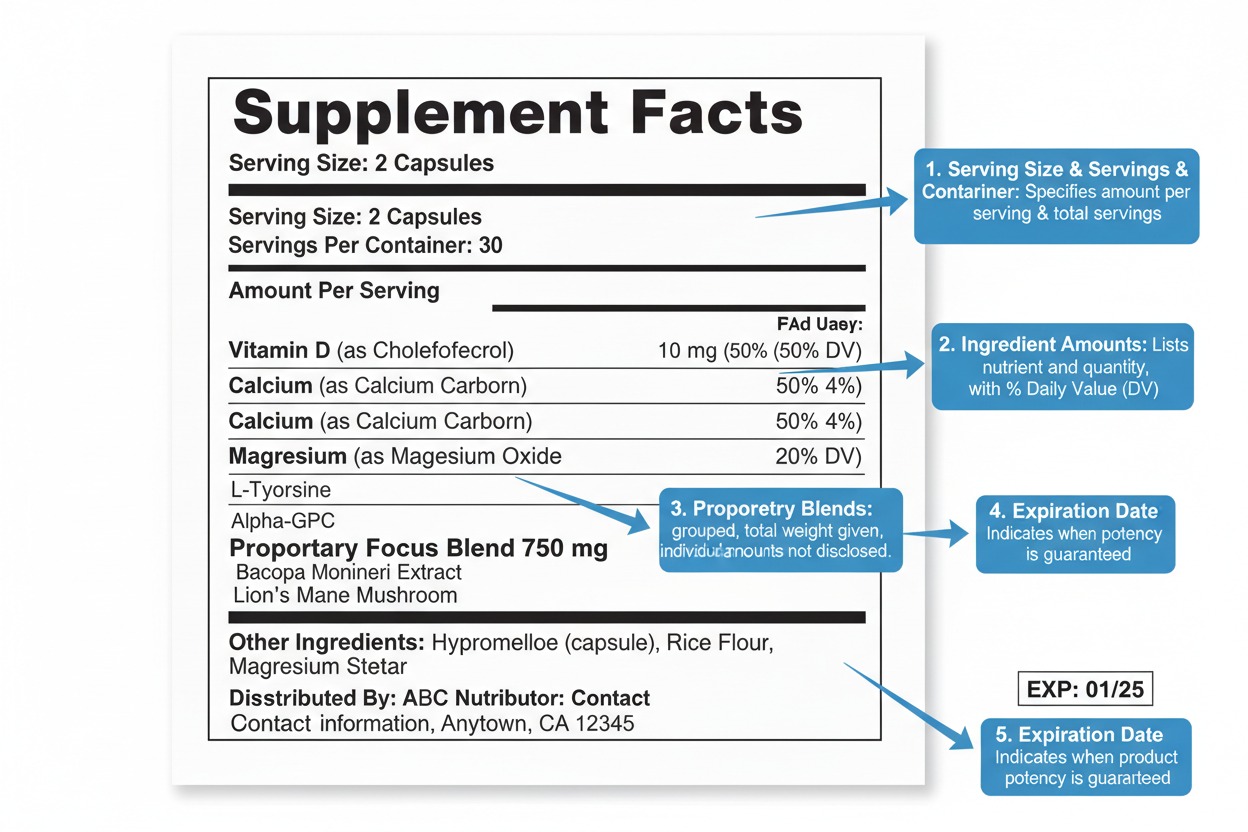
Check the actual Supplement Facts label and consider:
- The exact ingredients
- The amount of each ingredient
- Whether the formula has changed
- Whether the product is expired
- Whether the manufacturer is identifiable
- Whether the claims are supported by credible research
The fact that an ingredient has been studied does not automatically prove that a specific supplement containing that ingredient will produce the same result.
This is one of the most important points that many supplement reviews overlook.
A study on an individual ingredient is not necessarily evidence that the finished product works exactly as advertised.
Does the Cerebral Success Brain Supplement Actually Work?
The Cerebral Success brain supplement was marketed around cognitive benefits such as focus and memory.
But the bigger question is whether the finished product had strong evidence behind it.
This requires careful interpretation.
There is a difference between:
- Research on individual ingredients.
- Research on a specific combination of ingredients.
- A clinical trial on the exact finished product.
- A customer testimonial.
These are not interchangeable.
A supplement company can point to research showing that an individual ingredient has been studied. That does not necessarily prove that the company’s specific formula produces a meaningful effect.
For consumers, this is a valuable lesson.
If I were evaluating a cognitive supplement today, I would look for human clinical research on the actual product, transparent labeling, realistic claims, and clear information about the manufacturer. I would also avoid products that claim to replace medical treatment or prescription medication.
The FDA’s guidance on substantiating dietary supplement claims is a useful starting point for understanding why the evidence behind a claim matters.
Cerebral Success Net Worth: How Much Was the Company Worth?
The Cerebral success net worth is difficult to determine because the company was privately held and there is no reliable public valuation showing what it was worth immediately before shutting down.
At the time of the Shark Tank pitch, Hiltbrand requested $75,000 for 20% equity. That implied a valuation of $375,000 based on his initial offer.
However, Barbara Corcoran’s reported final deal was $75,000 for 40% equity. That would imply a lower post-deal valuation than the original asking valuation.
This does not mean the business was worth nothing. It simply reflects the terms presented during negotiations.
After Shark Tank, the company reportedly expanded its distribution and changed its branding. But there is no reliable public financial statement showing the company’s final revenue, assets, liabilities, or sale price.
Therefore, I would not trust websites that confidently give a specific current Cerebral Success net worth without providing verifiable financial evidence.
What About the Claim That Its Net Worth Is Zero?
Some websites state that the company has a net worth of zero because it is no longer operating.
That is an oversimplification.
A closed company can still have assets, intellectual property, inventory, or outstanding liabilities. Without financial records, we cannot accurately calculate its final net worth.
So the most accurate answer is:
The current net worth of Cerebral Success is not publicly known.
Its original Shark Tank valuation can be calculated from the pitch, but that is not the same as knowing its final financial value.
Cerebral Success Shark Tank Update Today: What Is the Latest?
If you are searching for a Cerebral Success Shark Tank update today, the most important update is that the original business is no longer operating based on the available evidence.
The company appeared on Shark Tank, secured a deal with Barbara Corcoran, expanded distribution, and later rebranded its product as SmartX. The business eventually closed, with the Shark Tank Blog reporting the shutdown in October 2019.
There is no reliable evidence that the original Cerebral Success company has returned to active operations under the same brand.
Some newer articles claim that the product is still being sold or that the company remains active. However, those claims conflict with older, more established reporting that the business closed.
This is why I would not describe Cerebral Success as an active company today without stronger evidence.
The simplest update is:
Cerebral Success is considered out of business, and there is no clear evidence of an active official operation today.
What Happened to Trevor Hiltbrand?
Trevor Hiltbrand’s story did not end when Cerebral Success closed.
According to reporting from the Shark Tank Blog, Hiltbrand went on to start other businesses and later became associated with Project Solar.
This is another important part of the story that gets lost when articles focus only on whether Cerebral Success failed.
A business closing does not automatically mean that the entrepreneur failed.
Entrepreneurs sometimes sell companies, shut down products that are no longer a good fit, or move into industries with better opportunities.
In Hiltbrand’s case, the available reporting suggests that he continued his entrepreneurial career after Cerebral Success.
This is why I would not use the company’s closure as evidence that the founder’s overall business career was unsuccessful.
The Bigger Business Lesson From Cerebral Success
The Cerebral Success story is especially interesting because it shows what can happen after a company gets a major opportunity.
The company had several advantages:
- A memorable brand name
- A clear target market
- A product in a growing category
- National television exposure
- A Shark Tank investment
- Retail distribution
- A rebrand
Yet it still did not remain in business permanently.
That tells me something important about entrepreneurship.
Distribution is not the same as demand.
A product can get onto store shelves, but customers still have to buy it. They also have to buy it again.
Likewise, a Shark Tank appearance can introduce a product to millions of people, but the business needs a strategy for what happens after the cameras stop rolling.
This lesson applies to almost every consumer product business.
If you are building a business yourself, it is worth looking beyond the initial launch and thinking about what happens next. My own recommendation is to focus on validation, funding, operations, marketing, and long-term customer demand rather than assuming that a good idea will automatically become a sustainable company. You can also read what an entrepreneur should do after creating a business plan for a practical look at the steps that come after the planning stage.
Frequently Asked Questions
Why did Cerebral Success go out of business?
The exact reason is not publicly confirmed. Cerebral Success reportedly closed around 2019 after appearing on Shark Tank, receiving investment from Barbara Corcoran, expanding retail distribution, and rebranding its product as SmartX. Competition, the challenges of the supplement industry, and the difficulty of maintaining long-term growth may have played a role, but these should not be presented as confirmed causes without direct evidence.
Is Cerebral Success still in business?
No. Based on available reporting, the original Cerebral Success business is considered closed. The Shark Tank Blog reported that Trevor Hiltbrand closed the business in October 2019. Old product listings and articles may still appear online, but they do not prove that the original company is currently operating.
What happened to Cerebral Success after Shark Tank?
After the show, the company reportedly received a $75,000 investment from Barbara Corcoran for 40% equity. It expanded its distribution and rebranded its product as SmartX. The business later closed, with the shutdown reported in 2019.
What is the Cerebral Success net worth?
There is no reliable public figure for the company’s final net worth. The business was valued at $375,000 based on its original Shark Tank request of $75,000 for 20% equity, but the final deal reportedly gave Barbara Corcoran 40% for $75,000. The company’s final financial value after closure is not publicly documented.
What were the Cerebral success ingredients?
Cerebral Success was marketed as a cognitive supplement containing ingredients intended to support focus, memory, mental energy, and brain health. However, the formula reportedly changed over time, so ingredient lists found in older articles may not represent every version of the product. The company itself said its formula had changed since its Shark Tank appearance.
Final Thoughts: What Really Happened to Cerebral Success?
So, why did Cerebral Success go out of business?
The most honest answer is that the company appears to have closed around 2019, but there is no clear public explanation confirming one specific reason. The business had a promising start, earned a Shark Tank deal with Barbara Corcoran, expanded its distribution, and rebranded its product as SmartX. Despite those opportunities, it eventually disappeared from the market.
The story is a good reminder that a successful television appearance does not guarantee a successful company. Building a lasting business requires repeat customers, strong economics, clear differentiation, responsible marketing, and the ability to adapt when the market changes.
If you are researching other products from Shark Tank, I recommend looking beyond the original pitch. The real story often begins after the cameras stop rolling.