Key Takeaways: Luxury Vehicles for Denver
- Denver luxury-car buyers should compare daily comfort, mountain-road confidence, technology, and ownership costs together.
- Seat support, cabin quietness, visibility, and climate controls matter on both downtown errands and longer Front Range drives.
- Horsepower is only one performance measure. Braking, steering, ride quality, and traction deserve equal attention.
- Gas, hybrid, plug-in hybrid, and electric models each suit different Denver-area routines.
- A consistent test-drive route and a written scoring system can clarify the final choice.
Why Comparison Matters in Denver, Colorado
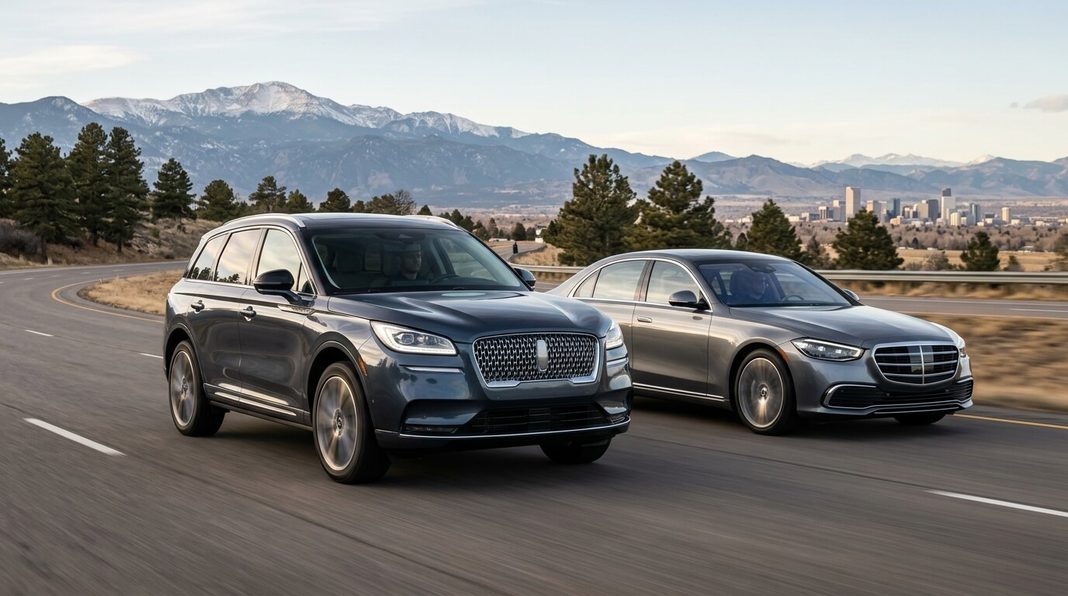
Luxury vehicle shopping in Denver, Colorado, calls for more than comparing badges, paint colors, and headline performance numbers. A vehicle may need to feel composed in city traffic, comfortable during airport runs, and capable on a weekend drive toward the foothills. Denver and Colorado’s Front Range, from downtown congestion to high-altitude mountain passes, demand a thorough evaluation before you buy.
Visiting a Bentley dealer Denver, CO, can be a useful starting point for experiencing the materials, technology, ride quality, and attention to detail that distinguish a premium vehicle in person. The best choice is not automatically the most expensive or the quickest model. It is the one that fits the owner’s routine, passengers, parking situation, preferred destinations, and financial plans. Denver drivers can compare candidates using the same criteria, especially when Colorado’s changing weather, elevation changes, and mixed city and highway driving are part of regular life.
Set Priorities Before Shopping
Start with an honest picture of how the vehicle will be used in the Denver area. A commuter who spends most weekdays near downtown may prioritize compact dimensions, camera visibility, and low-speed refinement. A household that regularly carries guests, sports gear, or luggage for mountain trips may prioritize rear-seat space and cargo access. Someone who enjoys mountain routes in Colorado may care more about confident braking, steering response, and all-wheel-drive capability for high-altitude driving conditions.
Questions to Ask First
- How many people will use the vehicle regularly?
- Will it primarily serve Denver city commuting, longer trips to the mountains or beyond, or both?
- Is easy parking more important than maximum interior space?
- Would all-wheel drive add useful confidence for Colorado’s mountain roads and winter conditions?
- Is home charging available if a plug-in hybrid or electric vehicle is under consideration?
- How long is the vehicle likely to be kept?
Compare Comfort and Interior Quality
Comfort is where a luxury vehicle earns its value on every drive through Denver and Colorado. Sit in every row, fully adjust the driver’s seat, and evaluate whether the controls feel intuitive before the vehicle moves. A beautiful cabin is less useful if the seat cushion feels short, the rear doors are difficult to enter, or frequently used functions are hidden behind distracting screen menus.
Details Worth Checking
- Seat shape, lumbar support, adjustment range, and heating or ventilation controls.
- Headroom and legroom for front and rear passengers.
- Storage for phones, bags, water bottles, and everyday essentials.
- Visibility through the windshield, side windows, and rear glass.
- Cabin noise over rough pavement and at highway speed.
- Climate-control performance and the simplicity of its physical or digital controls.
Pay particular attention to comfort after several minutes in the vehicle. A seat that feels plush at first can still lack the support needed for longer drives across the Denver metro area, up to the Colorado mountains, or beyond.
Look Beyond Horsepower
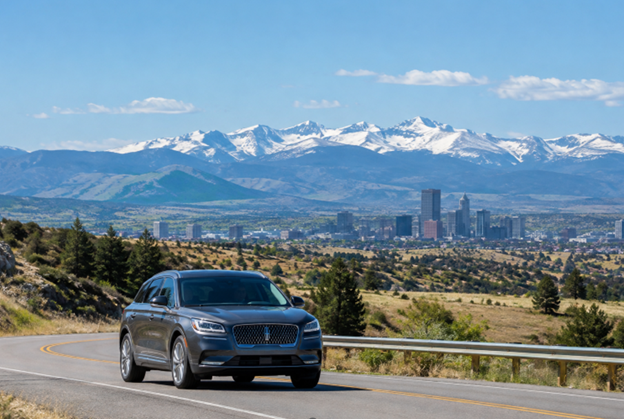
Horsepower indicates available output, but it cannot describe how a vehicle behaves on uneven pavement, through a tight turn, or during a controlled stop. A well-rounded luxury vehicle should feel predictable and settled, not just fast. Test responsiveness at lower speeds, where you’ll spend most of your time in Denver neighborhoods, and the smoothness of power delivery during highway passing on Colorado mountain roads.
Performance Factors to Compare
- Ride quality: Notice whether the suspension absorbs broken pavement without feeling disconnected, especially important for Denver’s varied road conditions.
- Steering: Check for accurate response, comfortable effort, and easy maneuvering in parking areas and through mountain curves.
- Braking: Evaluate pedal feel and confidence under normal, safe driving conditions, particularly on Colorado’s steep mountain grades.
- Handling: Observe body motion during curves and lane changes on both city streets and winding mountain passes.
- Traction: Consider whether the drivetrain and tires match Colorado’s roads and seasons, including snow and ice exposure.
- Driving modes: Determine whether comfort, sport, or terrain settings create changes that are genuinely useful for Denver area driving.
Evaluate Technology and Driver Assistance
Luxury vehicles often offer large displays, surround-view cameras, adaptive cruise control, parking assistance, and connected features. Compare the functions rather than the marketing labels, because different manufacturers may use different names for similar systems. The federal overview of driver-assistance technologies explains that these features can warn or assist, but the driver remains responsible for steering, braking, and accelerating.
During a test drive in Denver, pair a phone, adjust climate settings, enter a destination, and try the camera views. Check whether the screen stays readable in bright Colorado sunlight and whether you can reach important controls quickly without taking your eyes off the road.
Choose the Right Powertrain
Powertrain selection shapes daily convenience for Denver and Colorado drivers. A gasoline vehicle offers familiar refueling for frequent, longer trips to the mountains and beyond. A conventional hybrid can reduce fuel use without requiring plug-in charging. A plug-in hybrid may suit drivers whose usual Denver-area trips fit its electric range while retaining a gasoline engine for flexibility on longer Colorado excursions.
An electric vehicle offers quiet operation and immediate response, but the charging plan should work for home use and regular Denver routes. Before choosing a plug-in model for Colorado, compare the vehicle’s official efficiency ratings, charging needs, and projected operating costs. Side-by-side comparison tools can help shoppers assess EPA fuel-economy estimates and powertrain options before committing to a model.
When comparing luxury vehicles, it is also worth understanding how different driving modes affect performance and energy use. Our guide to luxury vehicle driving modes and performance explains these differences using the Cadillac LYRIQ as an example.
Calculate Ownership Costs
The purchase price is only the opening number. A realistic budget should include financing, insurance, fuel or electricity, registration, scheduled maintenance, tires, brakes, and a reserve for repairs outside warranty coverage. Larger wheels and specialized components can affect replacement costs, so examine the tire specifications and service schedule for every vehicle on the shortlist.
Colorado’s elevation and winter conditions can affect maintenance needs, so factor them into your analysis. A simple comparison can use this formula: Total ownership cost = purchase and financing costs + operating and maintenance costs – expected resale value. The goal is not to predict every future expense perfectly. The goal is to avoid judging a vehicle only by its monthly payment or initial sticker price.
Take a Better Test Drive
Use the same route for each contender whenever possible. Include Denver neighborhood streets, a parking area, and a stretch of highway or mountain road if practical. This approach makes differences in noise, steering, acceleration, visibility, and ride quality easier to identify.
A Five-Step Test-Drive Method
- Adjust the seat, mirrors, steering wheel, and climate controls before leaving.
- Check entry and exit from every seating row.
- Drive at low speed over typical Denver city surfaces and test parking visibility.
- Drive at highway speed and listen for wind, tire, and road noise.
- Write down immediate impressions before driving the next vehicle.
Create a Comparison Checklist
Give each vehicle a score from 1 to 5 for each category below, then add notes explaining the score. Written notes keep a standout feature or attractive color from overshadowing the factors that affect ownership in Denver and Colorado every day.
- Comfort: Seat support, cabin noise, ride quality, and passenger accommodations for Denver driving.
- Performance: Braking, steering, responsiveness, and confidence in traction on Colorado roads.
- Technology: Ease of controls, display clarity, phone integration, and usefulness of the camera.
- Practicality: Passenger room, cargo access, parking ease, and daily versatility for Denver-area use.
- Ownership cost: Expected fuel or charging, insurance, maintenance, and depreciation considerations for Colorado ownership.
- Personal fit: Whether the vehicle feels natural, enjoyable, and appropriate for the owner’s real Denver routine.
Common Questions About Luxury Vehicle Comparisons in Denver
What matters most for Denver luxury vehicle buyers?
Consider daily comfort, visibility, traction needs for Colorado mountain roads, passenger space, technology usability, and long-term ownership costs. Their importance depends on where and how the vehicle will be driven in the Denver area.
Is more horsepower always better?
No. Strong acceleration can be appealing, but steering, braking, suspension tuning, and cabin refinement often have a greater effect on the daily driving experience in Denver and Colorado.
Should buyers choose new or used?
A new vehicle may offer full warranty coverage and more advanced features. A used luxury vehicle may offer more equipment for the price, but buyers should review maintenance records, mileage, condition, remaining warranty, and inspection results carefully before purchase.
How should driver-assistance features be judged?
Assess what each feature actually does, how clearly it communicates with the driver, and whether it is easy to understand and override. Assistance should support attentive driving, not replace it.
Final Thoughts
When comparing luxury vehicles for driving in Denver, Colorado, it’s most effective to review comfort, performance, technology, powertrain choice, and long-term cost together. Colorado driving can involve changing weather, varying road conditions, highway commuting, and occasional trips into higher elevations or mountain areas, making it important to consider how a vehicle performs beyond the dealership lot.
A consistent checklist and a thoughtful test drive can help buyers compare seating comfort, visibility, handling, acceleration, available features, cargo space, and overall driving feel. Also consider fuel or charging needs, maintenance costs, warranty coverage, and how the vehicle fits into everyday routines. Together, these factors can reveal which vehicle delivers not only a strong first impression but also the confidence, practicality, and refinement that make sense for everyday ownership in Colorado and the demands of the Denver area and surrounding mountain regions.