How Do Changing Seasons Affect Our Lifestyle — Introduction
Think about it. In January, you’re craving soup and blankets. By July, you can’t help but reach for iced coffee and make plans. Your sleep shifts. Your mood shifts. Even your appetite changes.
This isn’t just a personality trait. It’s biology.
Science now shows that seasons influence a staggering range of human behaviors. You can find this change in mood and aggression, as well as in diet, sleep, and even cognitive performance. The seasons don’t just change our dressing. They quietly influence how we think, feel, and function.
And yet most of us never connect the dots.
This guide breaks it all down how do changing seasons affect our lifestyle, health, mental well-being, hormones, menstrual cycles, and even our dogs. If you always feel a little different when winter comes around, or you’re simply curious about why it happens, this article will help you understand it better.
The Science Behind Seasonal Change and the Human Body
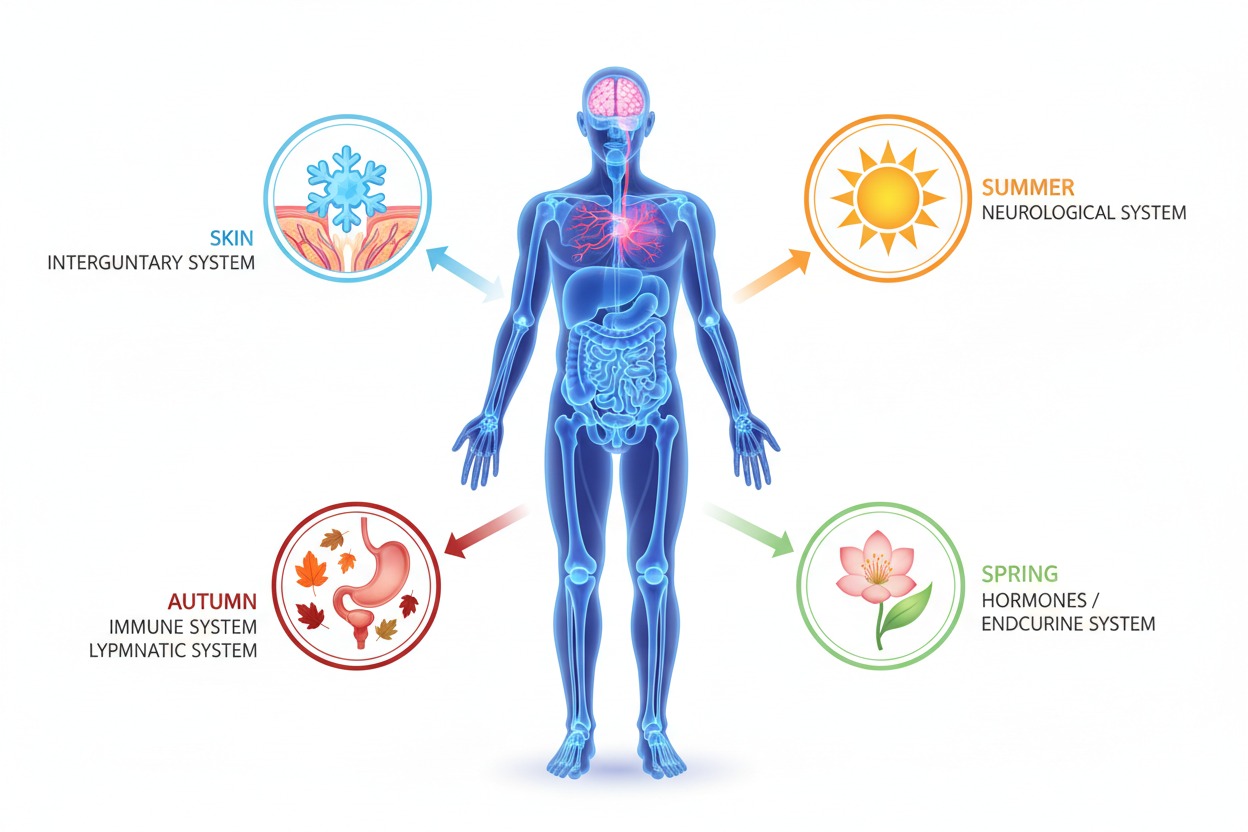
Before discussing the details, it’s important to understand why the seasons affect people.
The Earth changes its position around the sun during the year. That’s what gives us different seasons. Because of this, things like daylight, temperature, and even humidity keep changing too. These changes don’t only affect the weather outside; they can affect our bodies and moods as well. Humans have lived with these seasonal patterns for a very long time. So our bodies naturally respond to them in different ways.
Research published in Nature Communications found that seasonal variation affects over 5,000 of our roughly 22,000 genes. It also shifts their activity depending on whether it’s summer or winter. That’s nearly a quarter of your entire genome responding to the calendar.
Your body’s internal clock (circadian rhythm) is deeply tied to light exposure. As daylight increases or decreases across the year, your hormones, sleep patterns, immune response, and even your gene expression follow suit.
This is not a marginal effect. It’s foundational.
How Changing Seasons Affect Human Health
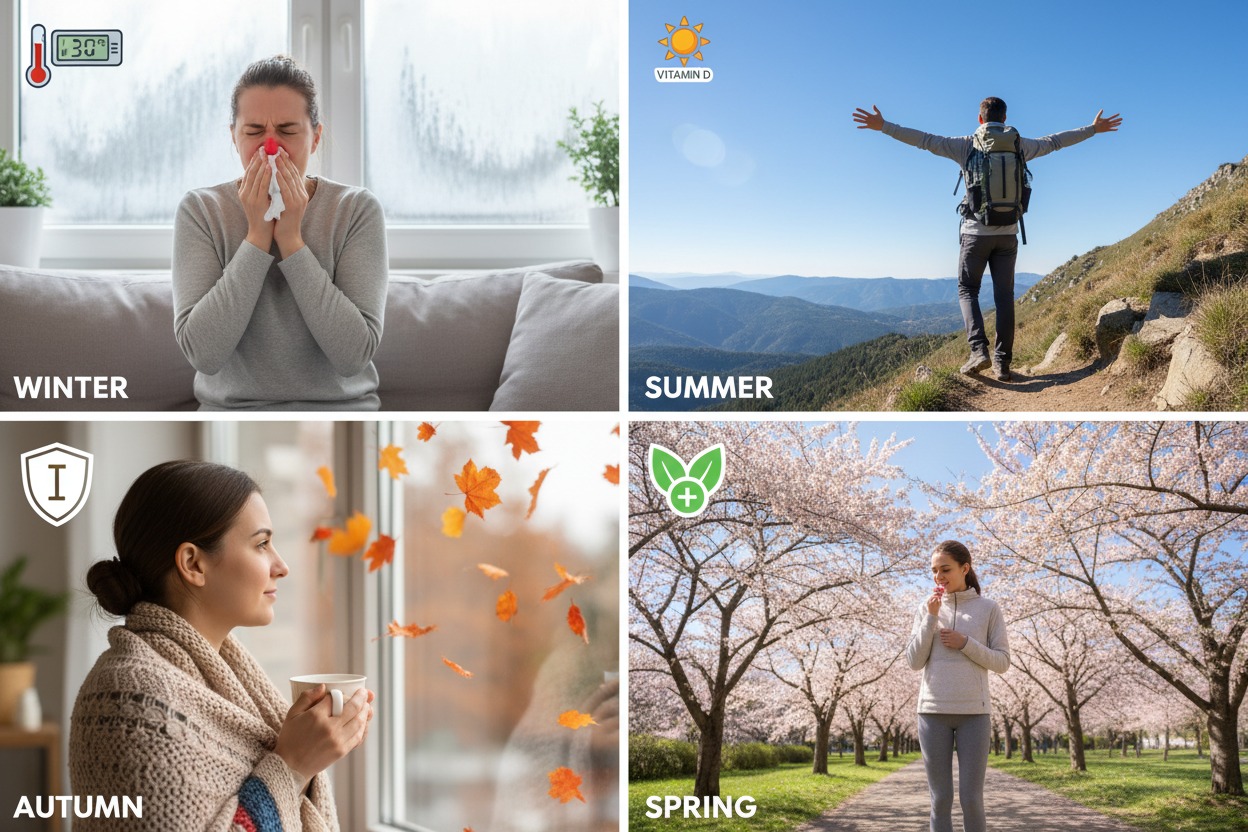
Immune System: Why You Get Sick More in Winter
This one you’ve probably noticed. Cold and flu season tracks almost perfectly with the drop in temperature each year.
During colder months, people spend more time indoors, where viruses and bacteria circulate more easily. This can lead to higher rates of respiratory infections like colds, flu, and bronchitis.
But it’s not just proximity. The biology runs deeper:
- Reduced sunlight leads to lower Vitamin D levels, which play a key role in immune defense.
- Cold, dry air dries out the mucous membranes in your nose and throat — your first line of defense against pathogens.
- Less outdoor exercise further weakens the immune response.
Bacterial infections like staph actually spike in summer and fall. While viral respiratory infections peak in winter. Seasonal change reshapes the entire infectious disease landscape.
Vitamin D and the Winter Deficit
Vitamin D is one of the biggest seasonal health stories that doesn’t get enough attention.
Your body produces it naturally through exposure to sunlight. In summer, this happens easily. But in winter — especially in northern states where days are short and overcast — Vitamin D deficiencies become extremely common.
Low Vitamin D is linked to weakened immunity, fatigue, bone loss, and — as we’ll cover next — significant mood problems.
Expert Tip: Get your Vitamin D levels tested in late autumn. Many doctors recommend supplementing during winter, especially if you live far from the equator.
Sleep Patterns: Your Body Wants More Rest in Winter
One surprising truth about seasonal health is that your body genuinely wants to sleep differently depending on the time of year.
Research published in Frontiers in Neuroscience found significant seasonal differences in human sleep architecture. People tend to sleep longer in winter. This happens because melatonin production increases with longer nights.
When people ignore their body’s natural routine — like staying awake very late or following busy summer habits during winter — they often feel tired and low on energy in the colder months.
Daylight saving time makes it worse. Research shows the clock change leads to a collective sleep deficit, with people losing an average of 40 minutes of sleep during the adjustment period. That loss alone causes mood changes, trouble concentrating, and physical headaches.
Does Season Change Affect Your Mood?

The short answer is “absolutely, yes”.
The relationship between seasons and mood is one of the most well-documented areas of seasonal biology. And Psychology Today confirms there are seasonal rhythms in a wide range of psychological functions. It includes attention and working memory, aggression, and social behavior.
Seasonal Affective Disorder (SAD): More Than “Winter Blues”
Seasonal Affective Disorder (SAD) is a clinically recognized form of depression that follows a seasonal pattern — usually onset in late autumn and lifting in spring.
It’s caused by:
- Reduced sunlight → lower serotonin production (the “feel-good” neurotransmitter)
- Increased darkness → excess melatonin production (causing fatigue and low energy)
- Lower Vitamin D → further mood disruption
It’s not just “feeling a little down.” SAD can cause persistent sadness, loss of interest in activities, social withdrawal, changes in appetite, and difficulty concentrating.
Emerging research links Vitamin D deficiencies specifically to an increased risk of mood disorders like depression, making the winter sun shortage a double hit on mental health.
Spring and the Emotional Reset
Most people assume spring is purely positive. And for mood, it largely is.
As days lengthen and sunlight returns, serotonin levels rise naturally. Energy increases. People feel more motivated and social. The body also shifts its metabolism in spring, craving lighter foods after months of winter comfort eating.
But spring isn’t without its challenges. The transition can bring its own anxiety and restlessness, particularly for people with mood disorders who feel the rapid hormonal shifts acutely.
Practical Tip: Light therapy lamps (designed to mimic natural daylight) are clinically suggested to help manage SAD symptoms during winter. Talk to a healthcare provider if you notice consistent seasonal dips in your mood.
How Seasons Affect Your Diet and Exercise Habits

Your appetite isn’t constant throughout the year, and that’s by design.
Seasonal eating, like consuming fruits and vegetables that are naturally in season, has deep roots in human biology. Watermelon and blueberries peak in summer; potatoes and turnips are winter staples. Your body often craves what the season provides.
In winter, carbohydrate-heavy comfort foods dominate cravings. This is partly a survival mechanism — dense calories for energy and warmth. But it also means many people gain weight in the colder months.
Average winter weight gain is typically reported to be between three and ten pounds, driven by holiday eating, reduced outdoor exercise, and the hormonal shift toward energy storage.
By contrast:
- Summer encourages lighter eating and naturally suppresses heavy-food cravings
- Spring brings a transitional shift toward fresh produce as appetite for rich food wanes
- Autumn sees increased calorie-seeking as daylight drops and the body begins prepping for winter
As one expert puts it: “Allow your appetite to wane in spring instead of resisting this natural rhythm — it’s a clear sign your body is successfully adapting.”
Exercise patterns shift, too. Cold weather and limited daylight dramatically reduce outdoor physical activity. For many people, workout consistency in December and January is at its lowest of the year. This compounds the effects of seasonal mood changes and immune dips.
Can Season Change Affect Your Period?
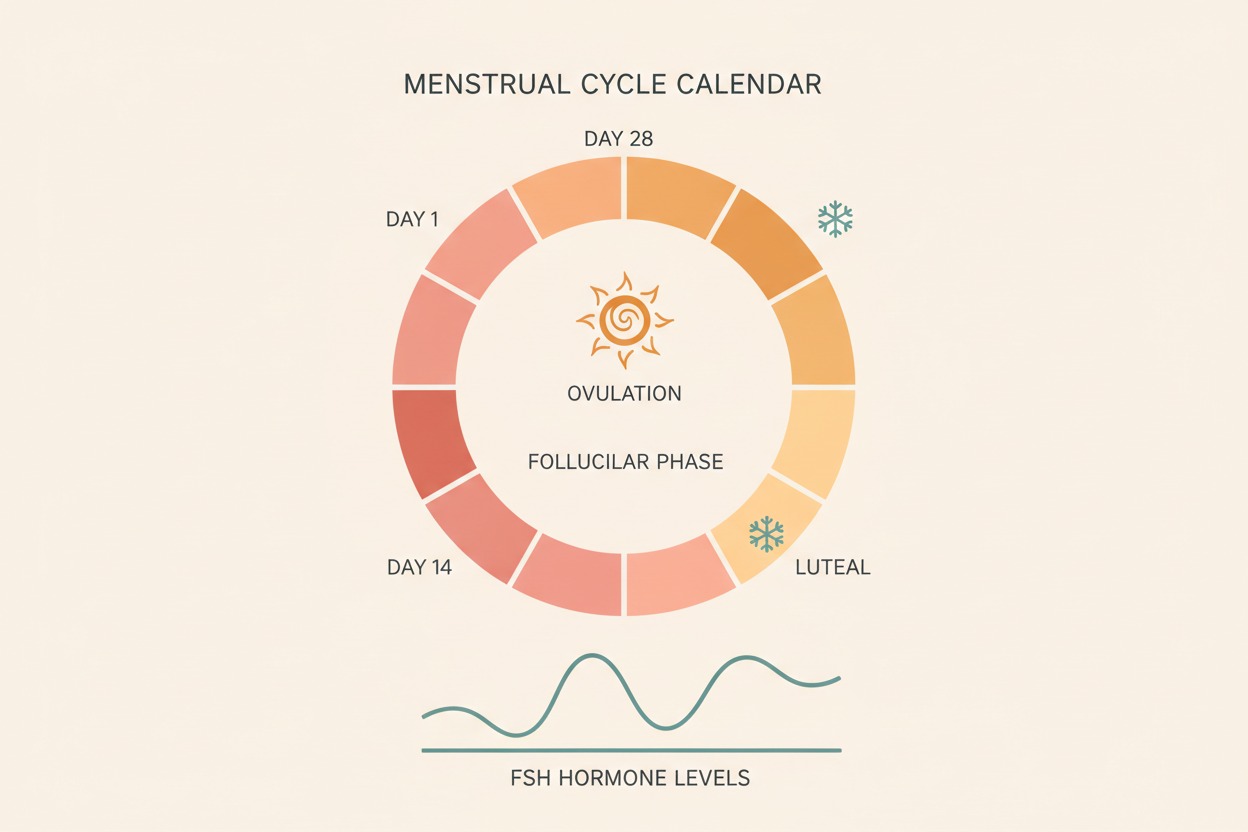
This one surprises a lot of people. But the answer is a clear yes — and the science is well-established.
A 2011 research study found that menstrual cycles were measurably shorter in summer than in winter. Specifically, 0.9 days shorter on average. That difference comes down to one key variable: sunlight.
The Sunlight-FSH Connection
Sunlight directly influences the production of Follicle Stimulating Hormone (FSH) — the hormone that regulates ovarian function and drives ovulation.
In summer, longer days and more sun exposure boost FSH secretion. The result:
- Higher ovulation frequency (approximately 97% in summer vs. 71% in winter)
- Shorter menstrual cycles
- More regular periods
In winter, the reverse happens. Less sunlight means less FSH, which may delay or skip ovulation. It pushes your period back and makes cycles feel longer and more irregular.
As OB/GYN specialists note, reduced sunlight in winter can cause the thyroid and endocrine system to slow down, contributing to longer periods and hormonal imbalance.
What Else Changes With Your Cycle Seasonally?
- PMS symptoms tend to be worse in winter. You can feel more bloating, mood swings, and breast tenderness
- Menstrual pain can intensify in cold months, partly due to less physical activity and poorer circulation
- Spring’s return of sunlight correlates with shorter, more regular cycles and reduced period symptoms for many women
Longer daylight hours in summer can shift the timing of menstrual cycles, while darker winter days may contribute to menstrual irregularity or intensified PMS. It happens especially in women who already experience Seasonal Affective Disorder.
Key takeaway: If your period feels “off” in winter, it’s probably not a red flag. It’s a seasonal adaptation. But if irregularities are significant or concerning, always talk to your OB/GYN.
| Season | Ovulation Rate | Cycle Length | PMS Severity |
|---|---|---|---|
| Summer | ~97% | Shorter | Milder |
| Autumn | Moderate | Moderate | Moderate |
| Winter | ~71% | Longer | More intense |
| Spring | Increasing | Shortening | Improving |
Does Not Having a Change of Season Affect Humans?
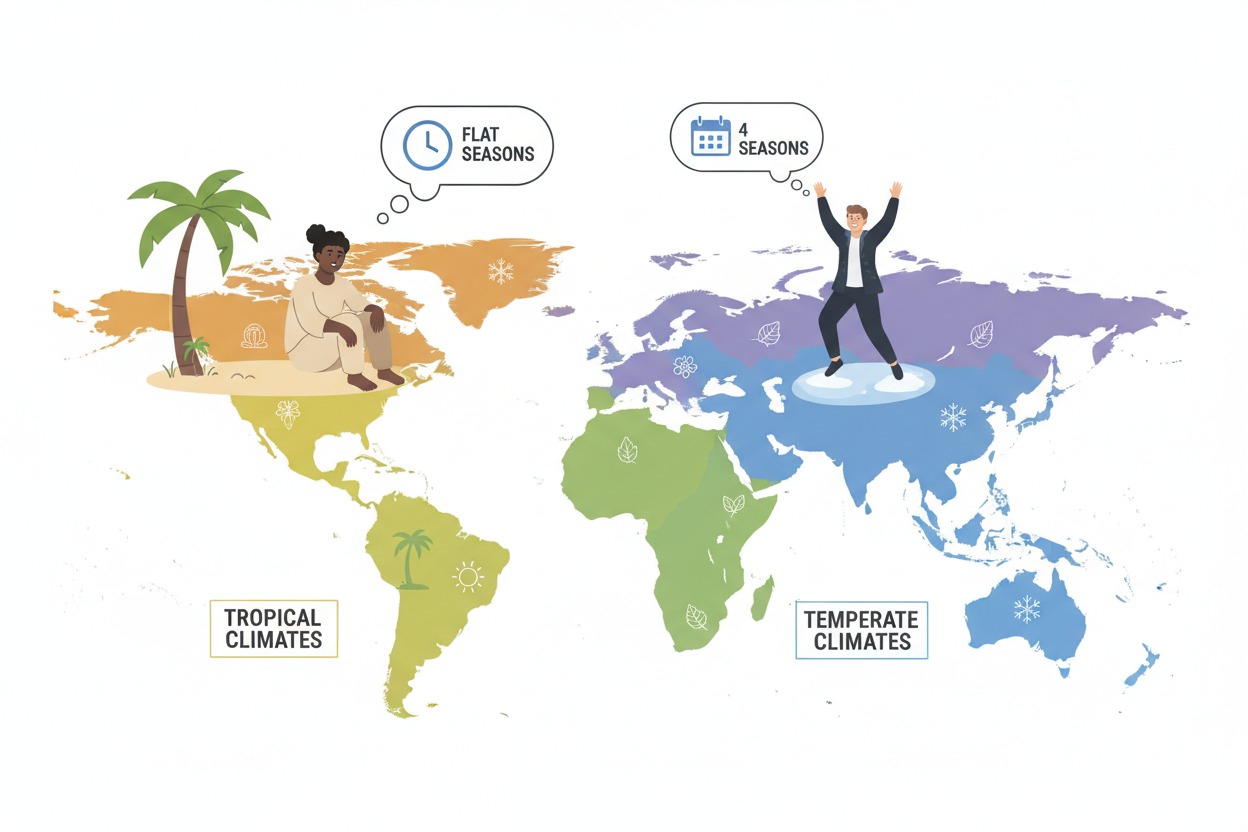
Here’s a question not many people think to ask: What happens to the human body when seasons barely change at all?
People who live in consistently tropical or equatorial climates, where temperatures and daylight hours barely vary year-round, experience a very different biological rhythm from those in temperate regions.
Research discussed at Arizona State University suggests that without seasonal variation, certain cognitive and behavioral rhythms may “flatten out.” For example, studies show that working memory peaks in the fall and is lowest in the spring — a variation that may be muted in places with little seasonal contrast.
Without the natural biological reset that comes with changing seasons, some researchers believe people may:
- Have less pronounced variation in melatonin and serotonin cycles
- Experience subtler but more continuous low-level fatigue (rather than acute seasonal dips)
- Miss the evolutionary triggers that drive dietary and behavioral transitions
However, it’s not a simple “seasons = better.” People in tropical climates avoid seasonal depression and the winter immune slump. The body simply adapts differently.
What’s clear is that seasons are a fundamental source of variation in human psychology, influencing mood, behavior, diet, and cognition in ways that go far deeper than most people realize.
Climate Change Affecting Seasons — And What That Means for Us
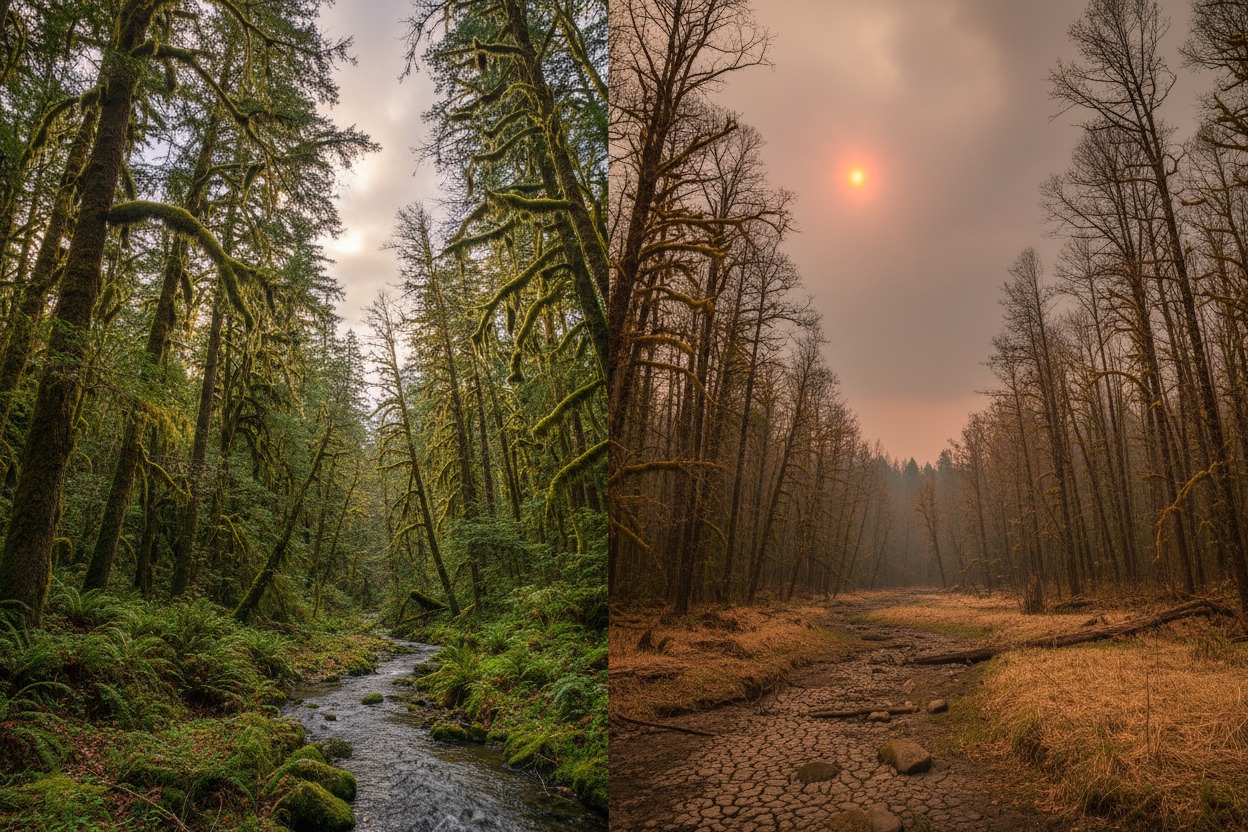
Climate change isn’t just an environmental story. It’s a human health story.
Researchers describe a phenomenon called “season creep,” where seasons are shifting in timing and intensity due to rising global temperatures. Summers are longer and hotter. Autumns are shorter. Winters arrive suddenly rather than gradually.
As one agricultural researcher told The Guardian: “We are not having normal seasons anymore.”
For human health and lifestyle, this matters in several ways:
Disrupted circadian and hormonal cycles. The gradual shift from summer to autumn is being compressed. Bodies that evolved to have weeks to adapt are being asked to do it in days.
Extended allergy seasons. Warmer temperatures extend the pollen season, worsening seasonal allergies for millions.
Mental health strain. Without the clear seasonal transitions that act as natural mood resets, some researchers worry about an increase in diffuse, year-round mood instability rather than the acute (and manageable) patterns of classical SAD.
Disrupted food systems. Seasonal foods and agriculture are being disrupted as plant growth cycles fall out of sync. It is impacting the nutritional availability of the foods our bodies have evolved to eat at specific times of year.
The conversation about climate change needs to include its deeply personal effects on how our bodies function, not just its environmental consequences.
Do Season Changes Affect Dogs?

If you’ve noticed your dog slowing down in winter or going a little wild in spring, you’re not imagining it.
It’s well established that seasonal changes affect dogs’ behavior, energy levels, health, and eating habits.
How Dogs React to Each Season
Autumn:
Cooler temperatures often make dogs more active again after the exhausting heat of summer. Appetite may increase as daylight decreases. It is an evolutionary echo of wild ancestors packing on calories before winter.
Winter:
Researchers have found that dogs experience increased melatonin production in winter, which impacts sleep. Many dogs become more lethargic, sleep more, and prefer staying indoors. Some may become more clingy or anxious.
Cold weather can also worsen arthritis in older dogs, making them visibly less comfortable and mobile.
Spring:
Shedding spikes dramatically in spring as dogs lose their winter coat. Energy levels typically surge, and some dogs may experience behavioral changes. It also includes restlessness or heightened excitability.
Summer:
Heat is the primary concern. Dogs are at real risk of overheating and dehydration. Some dogs eat less and become less active in extreme heat, while others become irritable and reluctant to exercise.
Do Dogs Get Seasonal Depression?
This is a fascinating grey area. A survey by PDSA (The People’s Dispensary for Sick Animals) found that approximately 40% of dog owners noticed a significant change in their pet’s mood during the dark winter months.
Since dogs share much of the same brain chemistry as humans, animal behavior consultants believe seasonal mood changes are likely, but they can’t be formally diagnosed the way SAD is in humans.
Studies note that approximately 30% of dogs show behavioral changes with each seasonal transition. If your dog seems unusually withdrawn, lethargic, or clingy in winter, the seasons may be the explanation.
Pet owner tip: Keep your dog’s routine stable across seasonal transitions. Consistent walk times, feeding schedules, and play sessions help minimize behavioral disruption.
Practical Tips: How to Adapt Your Lifestyle to the Seasons
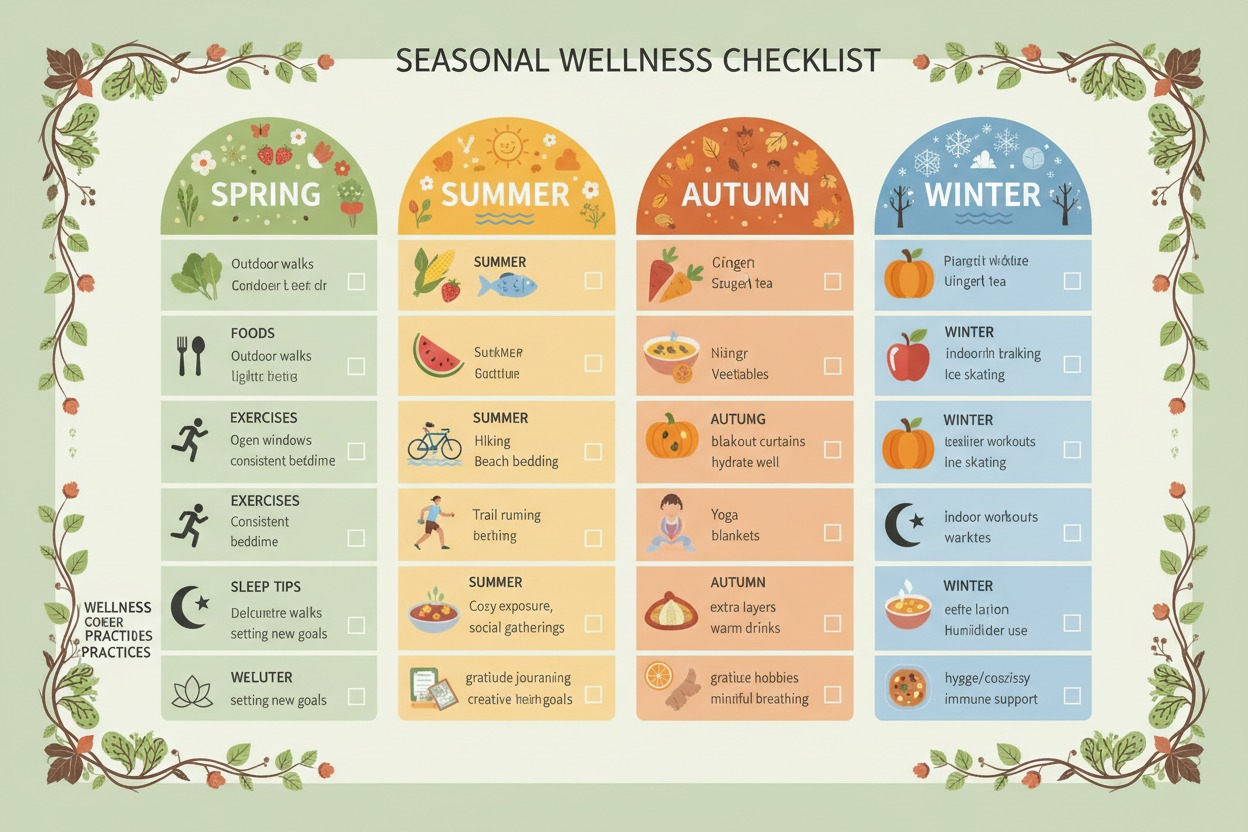
Now that you understand why the seasons affect you, here’s how to work with them instead of against them.
Spring
- Ease back into outdoor exercise gradually — your body is transitioning from low-activity winter mode
- Refresh your diet with local spring vegetables (asparagus, peas, spinach)
- If you have seasonal allergies, start taking antihistamines before pollen season peaks
- Check in with your mood — the transition out of winter can bring unexpected restlessness
Summer
- Protect Vitamin D levels, but don’t overdo sun exposure without SPF
- Stay heavily hydrated, especially if you exercise outdoors
- Allow your appetite to naturally shift lighter — fight the urge to eat heavy meals in the heat
- Take advantage of the natural energy boost for exercise and social connection
Autumn
- Begin Vitamin D supplementation as daylight shortens
- Add immune-supporting foods (ginger, garlic, zinc-rich proteins) to your diet
- Establish a consistent sleep schedule before the time change disrupts it
- Watch for early signs of seasonal mood dipping — address it early
Winter
- Use a light therapy lamp for 20–30 minutes each morning if you experience SAD symptoms
- Keep exercising, even indoors — this is one of the most powerful mood regulators available
- Prioritize sleep without guilt — your body genuinely needs more rest in winter
- Stay connected socially, even when the impulse is to hibernate
Expert Tips: What Health Professionals Recommend

We’ve gathered evidence-based recommendations that mirror what medical professionals actually advise:
1. Tailor your diet to what’s in season.
Functional medicine experts emphasize that seasonal eating isn’t a trend — it’s biology. Your body expects nutritional inputs that shift with the time of year.
2. Don’t fight your sleep needs.
One GP quoted in Sermo’s medical community put it simply: “It is important to recognize how each season can affect our health and wellbeing, and adapt our habits and routines to maintain optimal balance.” That includes sleeping more in winter without calling it laziness.
3. Get your Vitamin D checked annually.
Standard blood panels don’t always include Vitamin D. Request it specifically, especially in late autumn. Deficiency is common and correctable.
4. Track your menstrual cycle seasonally.
If you menstruate, use a tracking app to observe patterns across the year. Understanding that winter cycles may run longer helps reduce unnecessary anxiety about irregularity.
5. Watch your pets as a seasonal health barometer.
Dogs and cats often display seasonal mood changes before their owners notice their own. If your pet is lethargic and withdrawn in January, check in with yourself too.
Pros and Cons of Seasonal Change on Human Lifestyle
| Pros | Cons |
|---|---|
| Natural immune priming from seasonal infections | Increased illness risk in winter |
| Vitamin D boost in summer improves mood and bone health | Winter Vitamin D deficiency is widespread |
| Spring energy surge encourages outdoor activity | Daylight saving transition causes sleep loss |
| Seasonal eating variety improves nutrition | Winter comfort eating may increase weight |
| Natural mood reset across the year | Seasonal Affective Disorder affects millions |
| Cooler autumn temperatures improve exercise tolerance | Shorter menstrual cycle regulation in winter |
FAQs: How Changing Seasons Affect Our Lifestyle
1. How do changing seasons affect our lifestyle on a daily basis?
Seasons influence your sleep duration, energy levels, food cravings, exercise habits, social behavior, and even cognitive performance. As daylight changes, your body adjusts its hormone production, which cascades through nearly every daily function. Research confirms that seasons impact everything from mood and aggression to diet and working memory.
2. Can season change affect your period?
Yes. Studies consistently show that menstrual cycles are shorter in summer and longer in winter, largely because sunlight drives FSH (Follicle Stimulating Hormone) production and ovulation frequency. Reduced sunlight in winter slows the endocrine system and can delay ovulation, pushing periods back.
3. Does not having a change of season affect humans?
People without pronounced seasonal change — such as those in consistently tropical climates — experience different biological rhythms. Research suggests certain cognitive peaks and seasonal hormonal cycles may be muted without the environmental cues that drive them. This doesn’t mean they’re unhealthy — just differently adapted.
4. Does season change affect mood?
Absolutely. The reduction in sunlight in autumn and winter directly lowers serotonin production and increases melatonin production, contributing to low energy and depression. Seasonal Affective Disorder (SAD) is a clinically recognized condition affecting millions. Even people without clinical SAD often notice meaningful mood shifts across the seasons.
5. Do season changes affect dogs?
Yes. Studies show dogs experience increased melatonin in winter, altered appetite, changes in energy levels, and potential mood shifts similar to human seasonal patterns. Around 40% of dog owners notice significant mood changes in their pets during the dark winter months. Maintaining consistent routines helps pets navigate these transitions.
Conclusion: Stop Fighting the Seasons — Start Working With Them
The seasons aren’t something that happens to the world around you. They happen inside you, at a genetic, hormonal, and neurological level.
Your winter fatigue isn’t a weakness. Your spring energy surge isn’t a coincidence. Your irregular period in December isn’t automatically a warning sign. Your dog’s January lethargy isn’t laziness.
These are all adaptive, biological responses shaped by millions of years of evolution — and understanding them gives you real power to take better care of yourself.
The simplest shift you can make: stop treating your body like it should work the same way in January as it does in July. It doesn’t. And it’s not supposed to.
Adjust your sleep, your diet, your exercise expectations, and your mental health awareness to match the season you’re actually in — not the season you wish it were.
Ready to take seasonal health seriously? Talk to your doctor about Vitamin D levels before winter, download a period-tracking app to spot seasonal patterns, and pay attention to your dog when the days start getting shorter. The seasons are trying to tell you something. It’s time to listen.
Disclaimer: This article is for informational purposes only and does not constitute medical advice. Always consult a qualified healthcare provider for personalized health guidance.
Secondary keywords naturally integrated: does not having a change of season affect humans, how do changing seasons affect human health, can a change of season affect your period, can seasonal changes affect your period, climate change affecting seasons, do seasonal changes affect dogs, does seasonal change affect mood.