Key Takeaways: How To Build A Strong Personal Injury Claim In Pennsylvania
- Get medical attention promptly and follow through with recommended care.
- Preserve photos, videos, witness information, damaged property, and written records.
- Document how injuries affect work, household responsibilities, mobility, and daily activities.
- Be accurate when speaking with insurers, police, medical providers, and other parties.
- Act promptly because evidence can disappear and legal deadlines may apply.
- Do not assume that sharing some fault automatically prevents a recovery in Pennsylvania.
After an injury in Philadelphia or elsewhere in Pennsylvania, the steps taken in the first days and weeks can shape the strength of a personal injury claim. Whether a crash happens on I-95, a fall occurs at a neighborhood business, or a cyclist is hurt on a crowded city street, people seeking legal help after a truck accident or another serious incident should focus first on safety, medical care, and preserving accurate information.
A strong claim is not built on exaggeration or quick assumptions about fault. It is built on reliable evidence that connects an accident, an injury, financial losses, and the conduct of the person or business believed to be responsible. Careful records can make it easier to explain what happened and why the injury has affected daily life.
Start With Health And Medical Documentation
Your health comes before a claim. Seek emergency care when symptoms require it, attend follow-up appointments, and tell providers about symptoms honestly and completely. Some injuries become clearer after the initial shock of an accident, so it is important not to dismiss pain, dizziness, numbness, headaches, or mobility problems simply because they seem manageable at first.
Medical records can help establish symptom timing, diagnosis, treatment recommendations, restrictions, and prognosis. Keep copies of visit summaries, test results, prescriptions, therapy referrals, medical bills, and mileage or travel costs connected to treatment. Follow reasonable treatment instructions when possible. If a recommendation cannot be followed because of cost, transportation, work obligations, or another barrier, document the reason rather than allowing a gap in care to go unexplained.
Preserve Evidence From The Scene
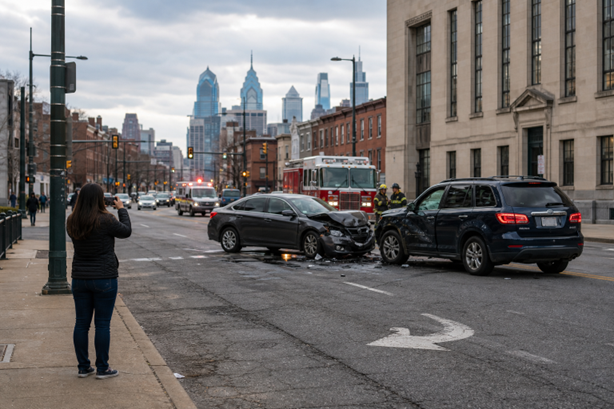
Evidence is often strongest immediately after an incident. If it is safe, photograph the area from several angles. In a vehicle collision, capture vehicle positions, damage, license plates, traffic controls, skid marks, road conditions, debris, and visible injuries. In a fall case, photograph the surface, lighting, warning signs, footwear, spill, broken step, or other condition involved.
Ask witnesses for their names and contact details before they leave. Their observations may later help clarify whether a driver ran a light, a property owner knew about a hazard, or dangerous conditions existed before the injury. Save original photos and videos, rather than relying only on edited or reposted versions. For traffic collisions, Pennsylvania’s crash facts and statistics resources also show why detailed reporting and roadway information matter.
Identify How The Injury Happened
A personal injury claim generally requires more than proof that someone was hurt. It must also address why the incident occurred and who had a duty to act with reasonable care. Depending on the situation, useful evidence may include police reports, incident reports, surveillance footage, vehicle data, maintenance records, store inspection logs, employment records, or expert analysis.
Build A Clear Timeline
Create a chronological record while events are still fresh. Include the date, time, location, weather, people present, what happened immediately before the injury, and what happened afterward. Note each medical appointment, missed workday, conversation with an insurer, repair estimate, and new symptom. A consistent timeline can reveal missing information and reduce confusion months later.
Protect Evidence Before It Disappears
Camera footage may be overwritten, vehicles may be repaired, and physical conditions may change quickly. Keep damaged clothing, defective products, or other relevant items in a secure place. Avoid repairing or disposing of important evidence until you have documented it properly. In commercial vehicle cases, records involving driver schedules, inspections, cargo, dispatching, and maintenance may also be relevant.
Track Financial And Personal Losses
Damages are the losses connected to an injury. They may include medical expenses, lost income, property damage, and the practical effects of pain or physical limitations. Save bills, receipts, pay stubs, tax records, employer notes, repair invoices, and correspondence showing out-of-pocket costs.
Keep a simple personal journal. Record pain levels, sleep disruptions, missed family events, inability to exercise, difficulty driving, help needed with chores, and changes to work duties. Specific entries are more useful than broad statements. For example, noting that a shoulder injury prevented lifting grocery bags for three weeks gives a clearer picture than merely writing that the injury was inconvenient.
Handle Insurance Communications Carefully
Report an accident to the appropriate insurer as required by your policy, but stay with the facts. Do not speculate about speed, fault, injuries, or what another person may have seen. Review documents before signing them, and keep copies of every form, email, letter, and claim number.
An early settlement offer may arrive before the full medical picture is known. Once you sign a release, it can limit your ability to pursue additional payment later. This is especially important when treatment is ongoing, fault is disputed, multiple parties are involved, or a collision involves a commercial vehicle with separate insurance and recordkeeping issues.
Understand Pennsylvania Deadlines And Fault Rules
Timing matters. Pennsylvania law generally provides a two-year limitations period for an action seeking damages for personal injury caused by another person’s wrongful act or negligence. The filing deadline can depend on the facts, and special rules may apply in certain circumstances, including claims involving government entities. Waiting also makes it harder to locate witnesses and preserve records.
Pennsylvania follows a comparative negligence rule. In many negligence cases, an injured person may still recover damages if that person’s negligence was not greater than the causal negligence of the defendant or defendants, although damages may be reduced by the percentage of fault assigned. The state’s comparative negligence statute explains this general rule.
Know When To Seek Individual Guidance
Prompt individual guidance may be useful when injuries are serious, medical treatment is continuing, an insurer disputes coverage, fault is contested, a loved one has died, or evidence is at risk of being lost. It can also matter when a government vehicle, employer, commercial carrier, property owner, or multiple drivers may share responsibility.
Building a strong Pennsylvania personal injury claim begins with practical decisions: obtain care, preserve evidence, keep records, communicate accurately, and avoid unnecessary delay. These steps help protect both physical recovery and the ability to present a clear, well-supported account of what the injury has cost.
Rarely Notes’ guide to what evidence you should collect after a car accident provides a practical checklist for organizing scene photos, witness details, medical files, and expense records.